Liquid Plastic Waterproofing — Complete Guide
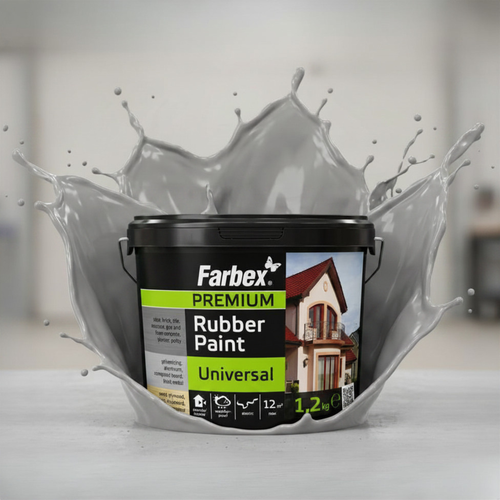
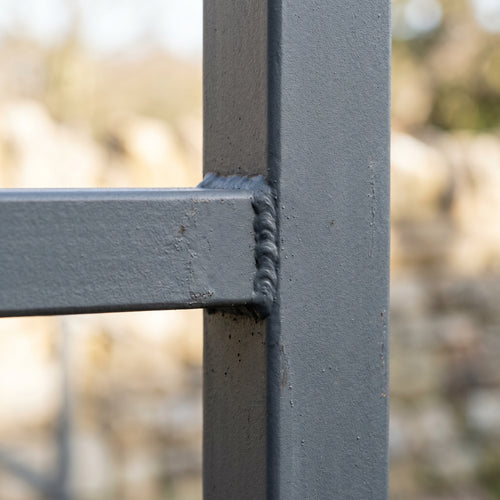
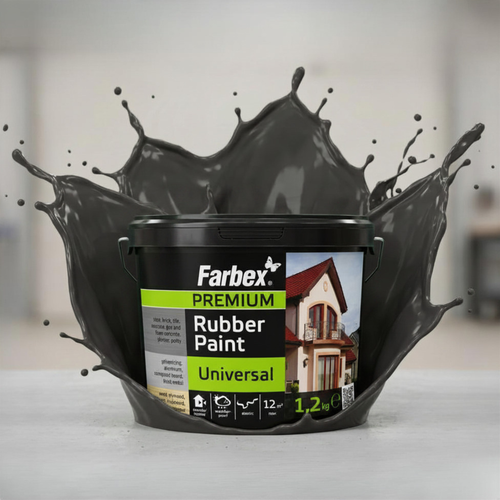
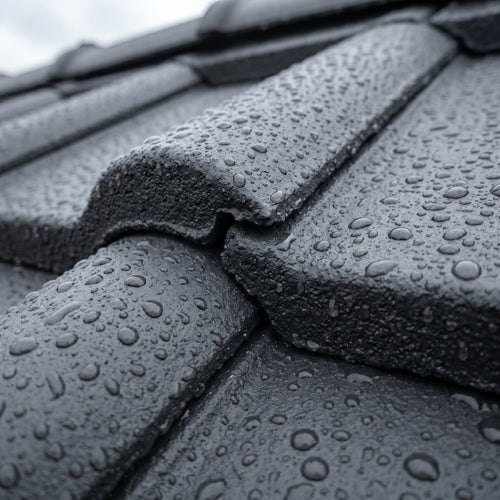
Liquid plastic waterproofing is the universal solution for sealing a flat roof, a balcony, a basement wall or a pool — all from the same cold-applied product. The seamless elastic membrane bonds to almost any substrate (bitumen, concrete, steel, OSB, EPDM, masonry) and adapts to any geometry without joining materials. This page covers the technology, the typical applications and the system properties that define modern liquid waterproofing.
What is liquid plastic waterproofing?
Liquid plastic waterproofing — also called cold liquid waterproofing, fluid-applied membrane or liquid-applied roof waterproofing — is a water-based polymer coating that's applied cold to form a continuous elastic membrane after curing. Modern UK and EU standards (BS EN 1504-2, BS EN 1062-1, ETAG 022) define the performance requirements that distinguish proper waterproofing from decorative coatings.
The two key system properties:
- Water permeability W3 per EN 1062-1 — practically watertight against wind-driven rain and surface water
- Diffusion-open V2 per EN 1062-1 — water vapour escapes outward at 60–70 g/m²·day, so substrate moisture dries out
This combination is what distinguishes a proper waterproofing membrane from a closed paint film. Closed films may keep rain out, but they trap moisture inside and eventually lift off the substrate.
Where liquid plastic waterproofing is used
| Application | Coats | Notes |
|---|---|---|
| Flat roof | 2–3 | Over old bitumen felt, concrete or OSB |
| Balcony / terrace | 2–3 | Direct walk-on or under new tiles per ETAG 022 |
| Basement wall | 2–3 | Interior or exterior, non-pressurised water |
| Pool lining | 3 | Concrete, steel, polyester pools — chlorine resistant |
| Plinth / base wall | 2 | Splash water and rising damp protection |
Why a seamless membrane matters
Traditional waterproofing systems rely on overlapping sheets bonded with adhesive or torch heat. Every joint between sheets is a potential failure point — and in practice, the joints fail before the sheets themselves do. Liquid plastic waterproofing creates a single monolithic membrane across the whole surface, including penetrations, parapets, internal corners and external angles. No joints, no overlaps, no welded seams.
That seamlessness particularly matters on complex roof geometries: roofs with multiple skylights, vent pipes, parapets, internal corners and varied roof pitches. Each penetration is sealed in continuity with the main surface, without specialist detail materials.
Application essentials
Two cold-applied coats at 100–200 g/m² per coat build the full membrane. The first coat soaks into the substrate (more on porous substrates, less on dense ones); the second coat builds the final film thickness. Rain-fast after 6 hours, walk-on after 24 hours, fully cured at 28 days.
Tools: brush, roller or airless spray. Clean-up with water. No solvent, no torch, no fire risk.
Next steps
For the specific application by surface type, see the Application landing pages for flat roof, balcony, basement, terrace and pool. For exact material quantities use the Material calculator. For comparison with traditional bitumen and EPDM see Liquid rubber vs EPDM.