Paint That Sticks to Rubber — EPDM, PVC, Vinyl Substrates

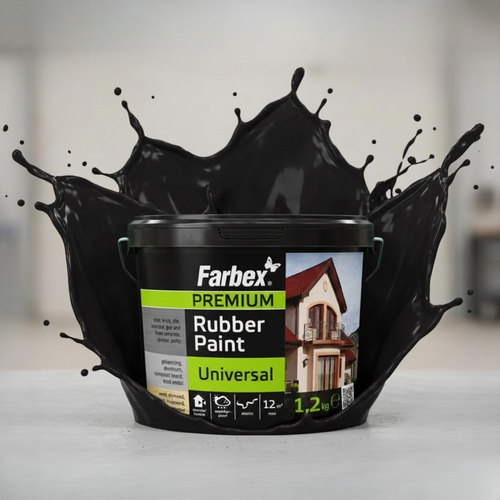
Looking for paint that sticks to rubber? You've probably tried regular acrylic, alkyd, or even spray paint — only to watch it peel within weeks. There's a reason: classic paints are not engineered to bond to rubber substrates. But there is a solution that works on every type of rubber: liquid rubber paint.
This guide explains why most paint fails on rubber, which paints actually adhere, and how to prepare rubber surfaces (EPDM, PVC, natural rubber, synthetic rubber) for a coating that lasts.
Why most paint fails on rubber
Rubber materials share two properties that make them difficult to paint:
- Low surface energy: The surface is "slippery" at a molecular level. Water-based paints form droplets instead of films; solvent-based paints don't wet the surface properly either.
- High flexibility: Rubber can stretch 200–500% before breaking. Any rigid paint film will crack at much smaller deformations.
Result: paint applied to rubber either pulls into beads during application (failed wetting), or appears to cover but then peels in sheets within weeks to months (rigid film cracking).
Which paints actually adhere to rubber?
1. Liquid rubber paint (acrylic-latex)
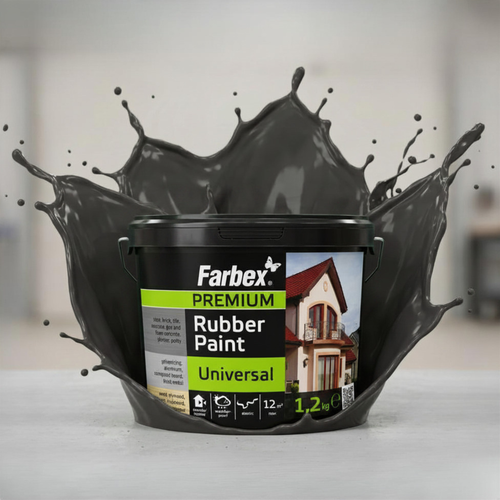
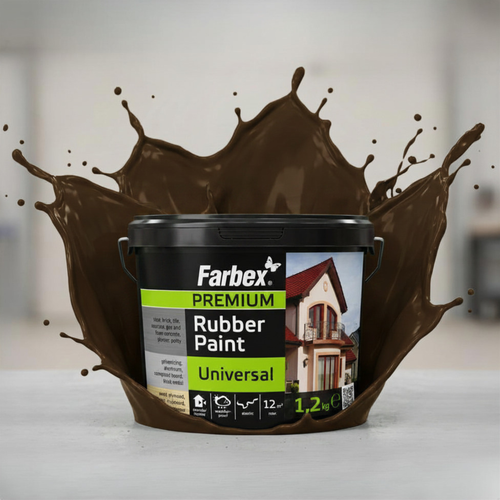
The only system that bonds reliably to all common rubber types — EPDM roofing, PVC pool liners, natural rubber gaskets, synthetic rubber flooring. Formulated specifically with surfactants and adhesion promoters that overcome low surface energy. Elongation of 300%+ matches rubber's own behaviour.
2. Specialised PU primer + 2K topcoat
Industrial system used in automotive and aerospace for high-spec rubber components. Excellent results, but expensive and requires careful mixing.
3. Plasti Dip and similar plastic-rubber sprays
Works as a temporary cosmetic layer (typical lifespan 1–2 years outdoors). Not a permanent coating; designed to peel off.
4. Adhesion-promoter primer + acrylic topcoat
Works for some hard rubber surfaces (tyre sidewalls, fender flares) but unreliable on flexible rubber.
Common rubber surfaces to paint
EPDM roofing
Most common application. EPDM is used on flat roofs, garden room roofs, balcony covers. After 10–15 years it fades and chalks; liquid rubber paint restores appearance and adds UV protection.
PVC pool liners
Cracked or faded vinyl pool liners. Liquid rubber paint compatible with chlorine and saltwater. Restores colour and adds waterproofing redundancy.
Rubber flooring (gym, garage)
Worn vulcanised rubber tiles or sheet flooring. Liquid rubber paint can refresh colour and create wear-resistant zones.
Playground rubber surfaces
Bonded rubber-granulate fall-protection surfaces lose colour over 5–8 years. Light coating with liquid rubber paint refreshes appearance without compromising shock absorption.
Door weather seals and window gaskets
Faded or sun-bleached rubber seals. Liquid rubber paint restores appearance and adds elastic skin.
Hard rubber (tyre sidewalls, rubber bumpers)
Possible but challenging — the high mechanical loading exceeds most coating systems. Limited to cosmetic refresh, not durable.
Surface preparation
Adhesion is determined almost entirely by surface preparation. The product is good; the prep determines whether it lasts.
- Wash thoroughly with detergent and water. Rinse and let dry 24 hours.
- Solvent wipe with isopropyl alcohol (rubbing alcohol) or methylated spirits. Use lint-free cloths. This is critical — removes mould release agents and surface oils.
- Lightly abrade with Scotch-Brite or 120-grit sandpaper. This opens the surface and creates mechanical bond points. Not strictly required for older, weathered rubber but always helpful.
- Tack-rag the surface to remove fine dust from abrasion.
- Test patch: Apply a small coat in a hidden area. Wait 7 days. Try to peel it off with your fingernail. If it stays, you're good to go.
Application
- First coat (thinned): mix in 10–15% water to lower viscosity and improve wetting. Apply with brush or sponge roller. Consumption ~100 g/m².
- Wait 4 hours minimum, longer if humidity is high.
- Second coat (undiluted): standard consistency for full film thickness. ~150 g/m² consumption.
- Cure: 2 hours touch-dry, 24 hours light use, 28 days full cure.
Avoid direct rain or condensation in first 6 hours.
What you cannot do with paint on rubber
- Permanently re-colour car tyres — thermal and mechanical loads during driving exceed any coating system
- Paint over heavy hydrocarbon contamination (oil, fuel) — must be removed completely first
- Bond to brand-new EPDM within first 30 days — wait for mould-release agents to dissipate
Frequently asked questions
How long will the coating last on rubber?
Depends on the substrate and use. On EPDM roofing: 10–15 years. On playground rubber: 5–8 years (high mechanical wear). On gaskets and weather seals: 5+ years.
Will the coating crack when the rubber stretches?
No — that's the entire point. Liquid rubber paint has elongation matching the rubber substrate (300%+).
Can I recoat later?
Yes — liquid rubber accepts further coats directly without sanding.
Conclusion
Liquid rubber paint is the only practical solution for paint that sticks to rubber. With proper preparation, it bonds permanently to EPDM, PVC, vinyl, natural rubber, and synthetic rubber surfaces — and stays flexible enough to follow the substrate's movements without cracking.
Browse products: Liquid rubber paint, 14 colours →
RubberPaint Team
Technical editorial · RubberPaint