Freeze-thaw spalling
Water seeps into the capillary pores. When it freezes, it expands by 9% and breaks the concrete from within — visible as spalling, cracks and exposed reinforcement.
RUBBERPAINT
local_shipping
Free shipping from £199.00
trending_up
Only £199.00 until free shipping!
check_circle
Free shipping unlocked! 🎉
bolt
Shipping in 24 h after payment

Elastic concrete paint for exposed concrete, plinths, retaining walls and garden masonry. Protects against carbonation, stops water ingress and follows thermal movements of the concrete without cracking.
Elastic concrete paint based on liquid rubber protects fair-faced concrete, plinths and retaining walls against frost, carbonation and water ingress. The crack-bridging membrane (V2 to EN 1062-1) stays vapour-permeable, so residual moisture can escape. 14 RAL colours, applied by brush, roller or spray — no primer required in standard cases.
Concrete looks massive and indestructible — but it is porous and absorbent. Without a coating water seeps in, frost spalls from the inside, CO₂ alters the chemical structure. After 10–15 years damage begins that is mostly not repairable.
Water seeps into the capillary pores. When it freezes, it expands by 9% and breaks the concrete from within — visible as spalling, cracks and exposed reinforcement.
CO₂ in the air reacts with concrete and lowers its pH. The result: the reinforcement loses its corrosion protection and starts to rust — and rust expands by a factor of 7, splitting the concrete apart.
Damp concrete surfaces are an ideal habitat for algae, moss and lichen. The biological activity attacks the concrete itself and leaves it with an unsightly, dark-green appearance.
A closed membrane stops carbon dioxide from getting in, protecting the reinforcement against carbonation and the corrosion that follows.
Residual moisture in the concrete can escape outwards — no moisture trapped behind the coating, no blistering. V2 to EN 1062-1.
Water no longer penetrates the concrete — frost damage is prevented. Tested for British and Central European weather.
Highly elastic and crack-bridging — spans hairline cracks caused by temperature changes, shrinkage or settlement. Traditional concrete paints crack along with the substrate.
Clean concrete is a prerequisite.
Pressure washer (min. 150 bar) — remove dirt, algae, loose particles and salt efflorescence. Close cracks > 1 mm with repair mortar, fill spalled areas and let cure for 7 days. Remove form oil and laitance mechanically or dissolve with concrete cleaner.
Residual moisture must be below 4 % — for fresh concrete wait at least 28 days of curing.
Pro tip: Spot laitance (shiny surface layer) with the water-drop test — if water beads up, the surface needs sanding or concrete cleaner treatment.
Reduces consumption, improves adhesion.
On strongly absorbent concrete (fresh exposed concrete, old plinths, lime sandstone) apply a hydrophobising deep primer. Reduces first-coat consumption by up to 30 % and significantly improves coating anchorage. Let dry for 12 h before further work.
On sound, closed old paint, primer can be skipped — proceed directly to Step 3.
Pro tip: Don't apply deep primer thickly — a thin, absorbed coat is enough and prevents glossy spots that would weaken adhesion.
Dilute with up to 5 % water (up to 10 % with airless sprayer).
Dilute with up to 5 % water (airless sprayer up to 10 %). Apply with lambswool roller or wide brush. Diluted, the paint penetrates deep into the pores and anchors. Consumption on strongly absorbent concrete 200–250 g/m², on normal exposed concrete 100–150 g/m². Full-surface in one pass, no visible joins.
Particularly careful at plinth edges and water-run-off points — these are exposed to splash water.
Pro tip: On large areas work in strips of about 1 metre wide — prevents visible join lines between separate passes.
At least 6 hours.
The first coat must be fully dry through. In cool weather or high humidity wait longer — up to 12 h. Test: the coat must no longer be tacky to finger pressure and leave no impressions.
Protect the concrete surface from direct sun and rain during drying — direct sun risks streaking from drying too fast on the surface.
Pro tip: Work mornings on the shaded side, afternoons on the sunny side — follow the sun and use the best temperatures.
Undiluted, crossed.
Apply undiluted, cross to the first coat. Consumption 150–200 g/m². Rain-resistant after 6 h (manufacturer specification), fully load-bearing after 28 days. For plinths or retaining walls in the splash zone a third coat is recommended — extends service life by years.
At splash-water edges (lower 30 cm) apply the second coat slightly more generously for extra protection.
Pro tip: Judge the final colour only after full curing (28 days) — fresh coating looks slightly milky but clears up completely.
Concrete is highly absorbent — calculate 100–250 g/m² per coat instead of the usual 100–200. On strongly absorbent exposed concrete up to 300 g/m² in the first coat. Never coat fresh concrete (< 28 days) — concrete must carbonate and cure first.
Enter your area and desired number of coats — we recommend the optimum tub combination.
Standard: 2 coats. 3 for heavily exposed surfaces.
Consumption: 200 g/m² per coat. +10 % buffer for offcuts and uneven surfaces. For larger projects (> 80 m²) contact us for individual advice.
Recommendation
—
Calculating…
Free shipping from £170 — review your basket after adding.
Grey and anthracite are the classic concrete colours — natural partners for fair-faced concrete and plinths. White and beige work for lighter accents, and brown for garden retaining walls.
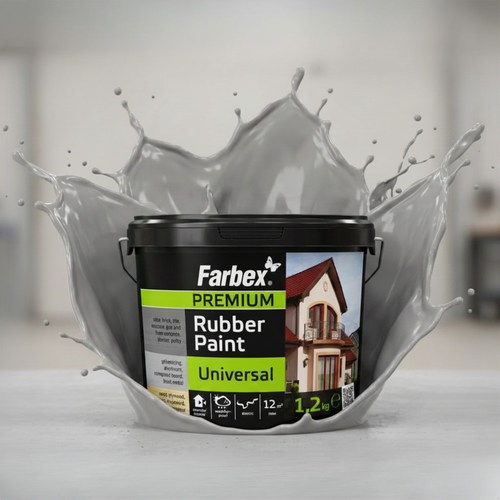
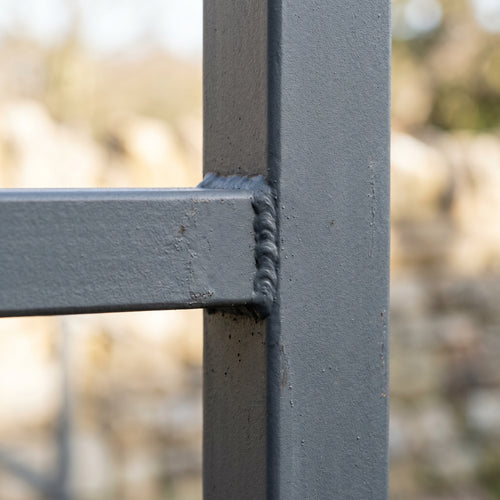
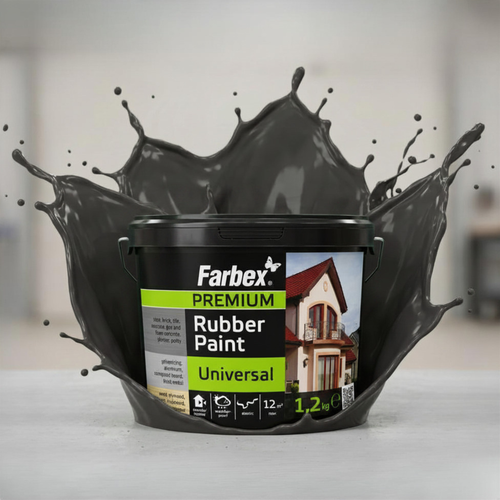
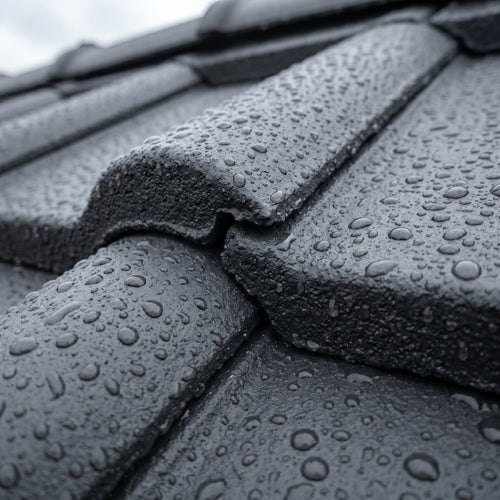
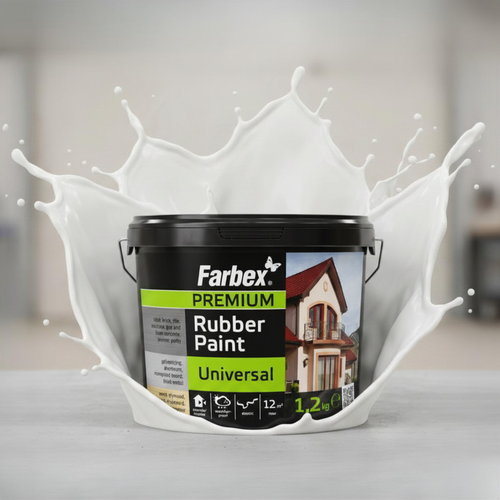
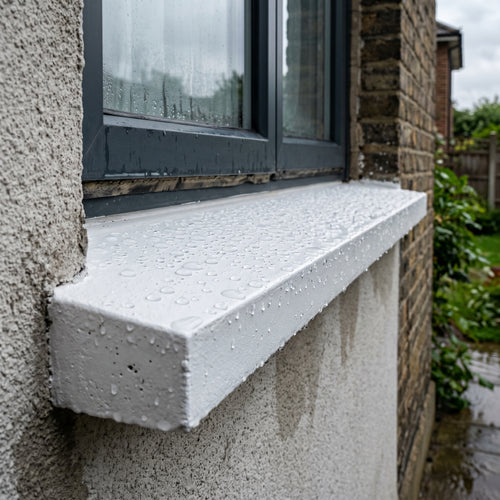


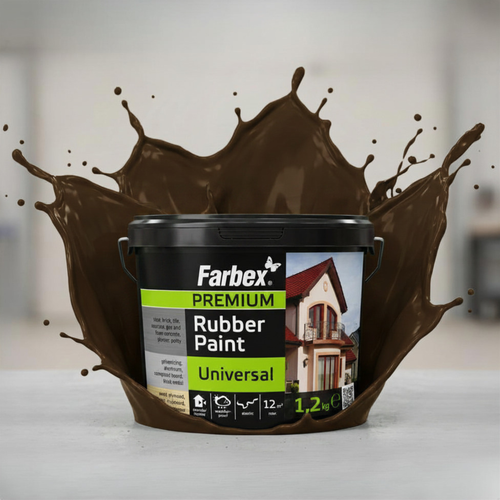
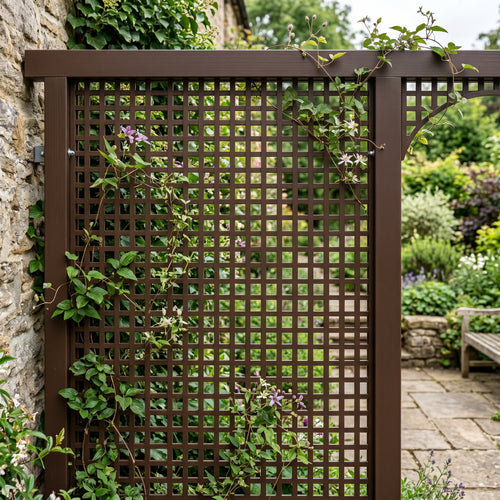
The same elastic liquid-rubber coating for many more applications — explore all use cases.

waterproof

paint
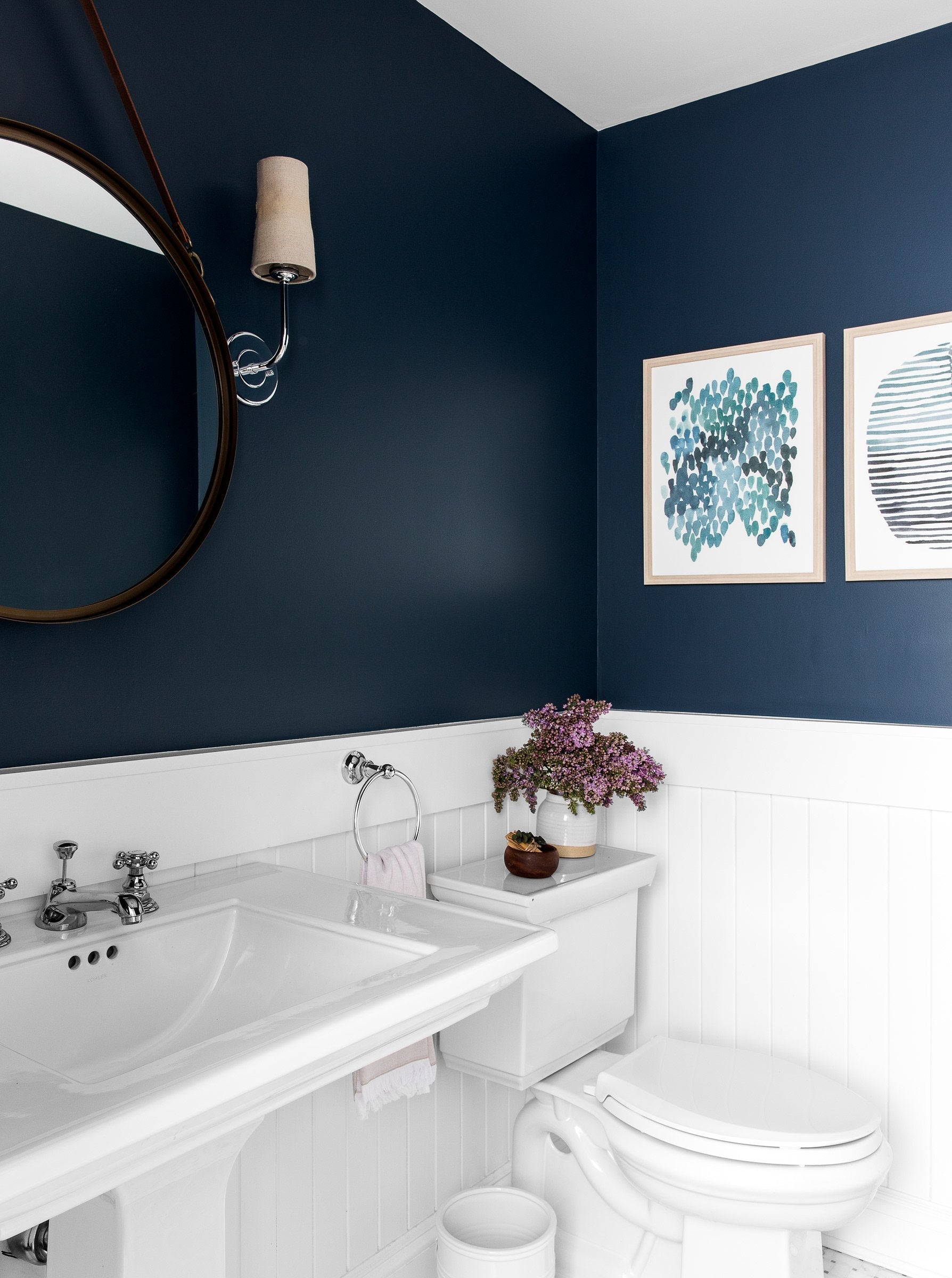
waterproof
waterproof
Exterior paint
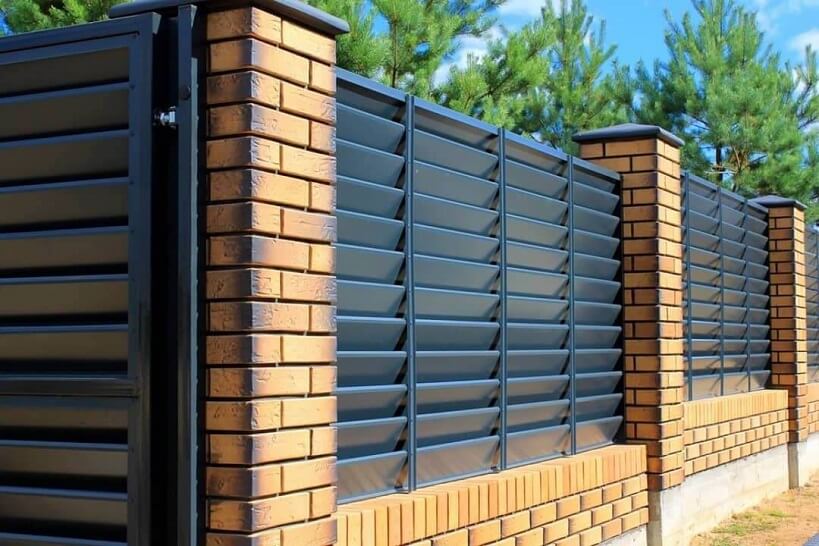
paint
Rust protection
Coating
Our technical team advises on complex applications, substrate analysis and film-thickness calculation.