Water stains on the ceiling
The leak only makes itself known months later — once the insulation is already soaked and the plaster, wallpaper or timber has been damaged.
RUBBERPAINT
local_shipping
Free shipping from £199.00
trending_up
Only £199.00 until free shipping!
check_circle
Free shipping unlocked! 🎉
bolt
Shipping in 24 h after payment
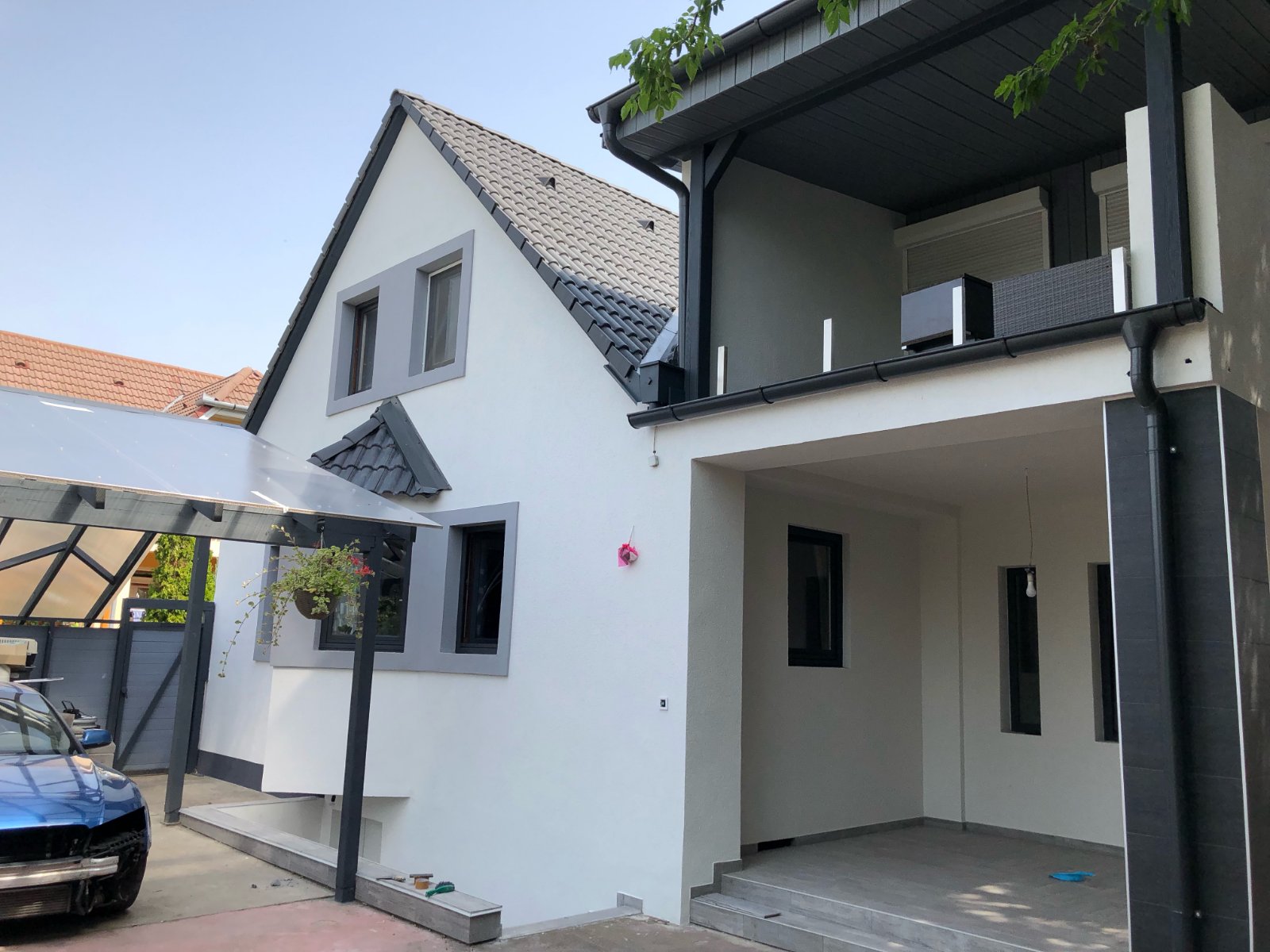
Liquid-plastic system against standing water, frost and UV. Directly on bitumen, concrete or EPDM. Without welding, without seams, without open flame — a continuous elastic membrane for long-term protection.
Liquid rubber is an elastic, single-component coating applied cold by brush or roller — no open flame, no blowtorch. Two coats (100–200 g/m² each) create a seamless, waterproof rubber membrane straight over bitumen, concrete, OSB or profiled steel. Rain-tight after 6 h, fully loadable after 28 days.
A flat roof rarely fails suddenly. It fails slowly — and by the time you notice the damage, the building fabric is already affected.
The leak only makes itself known months later — once the insulation is already soaked and the plaster, wallpaper or timber has been damaged.
Wet insulation conducts heat up to four times better than dry insulation. Heating bills rise by 15–25%, and mould in the roof build-up becomes a matter of time.
UV and temperature swings shrink old torch-on felt by 0.2–0.5 mm a year. The seams are the weakest link — your new layer needs to be seamless.
Withstands hundreds of freeze-thaw cycles without cracking. Highly elastic and crack-bridging — moves with every flex of the structure.
One continuous membrane up to 200 m² without a single seam. The most common point of failure on traditional roofs is removed entirely.
Stabilised acrylic-latex system. No embrittlement like traditional bitumen — stays elastic for the long term under UV and weather.
Maintenance walkways, air-con units and aerials are accessible again straight away. No downtime, no blowtorch, no fire hazard.
The foundation of long life.
Clean the roof surface with pressure washer or wire brush — fully remove loose bitumen residue, moss, algae and dirt. Pre-fill cracks > 3 mm with bituminous repair compound, mechanically loosen any peeling areas. Substrate must be dust-free and dry for at least 4 h before application.
On heavily weathered bituminous sheets: apply a bitumen primer to stabilise.
Pro tip: Check the roof slope beforehand — if puddles form, we recommend a slope renovation with levelling compound first.
The critical 5 % of the area.
Chimneys, skylights, roof drains and upstands are the weakest points — 80 % of all leaks start here. Embed polyester fleece (60 g/m²) into the wet first coat, roll flush. Minimum 10 cm overlap at wall/upstand edges, cut circular around drains and work U-shaped into the upstand.
At wall connections: pull the fleece at least 15 cm up the wall for a reliable bond.
Pro tip: At chimney connections add a termination bar with sealant — fleece alone isn't enough against thermal movement.
Full-surface application.
Dilute with 0–5 % water. Apply with brush, lambswool roller or airless sprayer (15–18 MPa, nozzle 0.017–0.023″). Consumption 100–200 g/m². Work evenly in one direction, no gaps or thin spots. On weathered bitumen or porous concrete: deep primer 12 h beforehand recommended.
Particularly careful on fleece-reinforced areas — the coat must fully penetrate the fleece.
Pro tip: With an airless sprayer work against the wind — otherwise half the material lands on the neighbour's wall.
Patience pays off.
Dust-dry after 2 h, recoatable after 4 h, rain-resistant after 6 h at 23 °C / 50 % RH (manufacturer specification). Wait longer at lower temperatures — applying the second coat too early causes bubbles as residual moisture gets trapped.
Protect the roof from rain and frost during drying — at least 24 h without precipitation required.
Pro tip: Check the weather forecast 48 h ahead — flat-roof coating is not rain-tolerant and needs a stable weather window.
The final layer.
Apply undiluted, cross to the first coat. Consumption again 100–200 g/m². Rain-resistant after 6 h, carefully walkable after 24 h (soft shoes, no point loads), fully load-bearing and cured after 28 days.
On heavily-loaded maintenance paths or frequently walked areas we recommend a third coat for longer service life.
Pro tip: Mark maintenance paths with a contrast-coloured quartz-sand strip — extends service life through targeted wear protection and prevents point loads elsewhere.
On heavily weathered bituminous sheeting apply a deep primer first. At frequently walked maintenance paths or chimney connections we recommend a third coat. Fleece reinforcement at connections is a processing recommendation from rubber-paint.de and not part of the manufacturer specification.
Enter your area and desired number of coats — we recommend the optimum tub combination.
Standard: 2 coats. 3 for heavily exposed surfaces.
Consumption: 150 g/m² per coat. +10 % buffer for offcuts and uneven surfaces. For larger projects (> 80 m²) contact us for individual advice.
Recommendation
—
Calculating…
Free shipping from £170 — review your basket after adding.
Black and anthracite are the most popular choices for flat roofs — UV-stable and unobtrusive. Brown and red tones work well with traditional tile and slate.
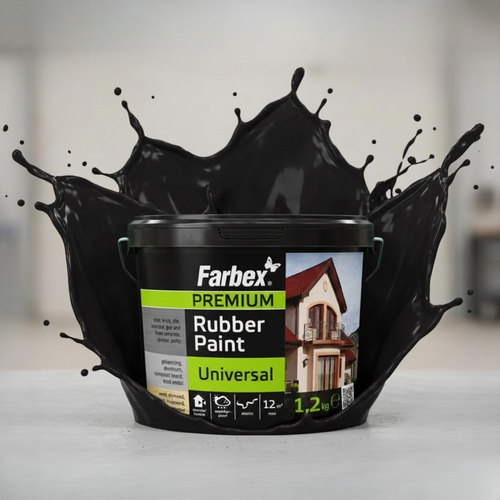
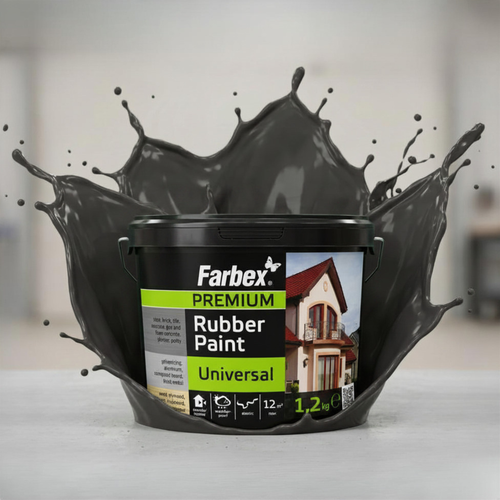
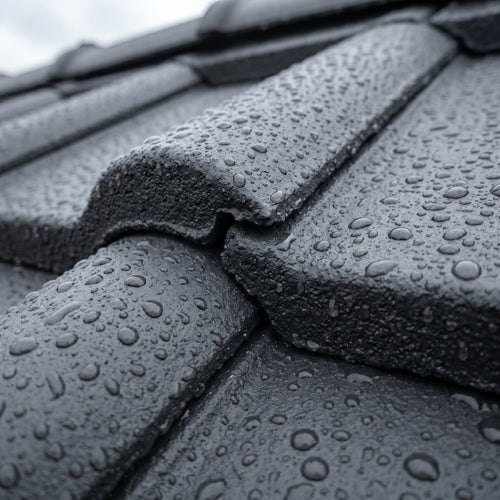
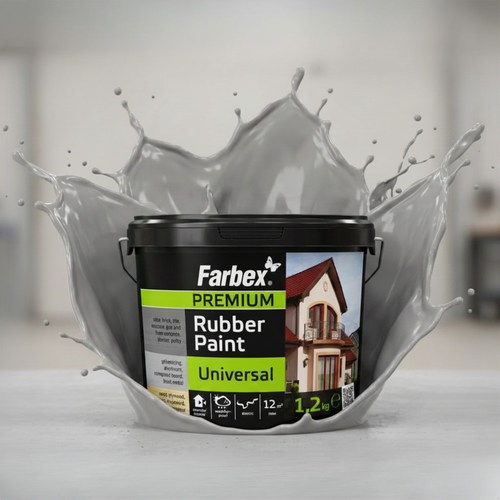
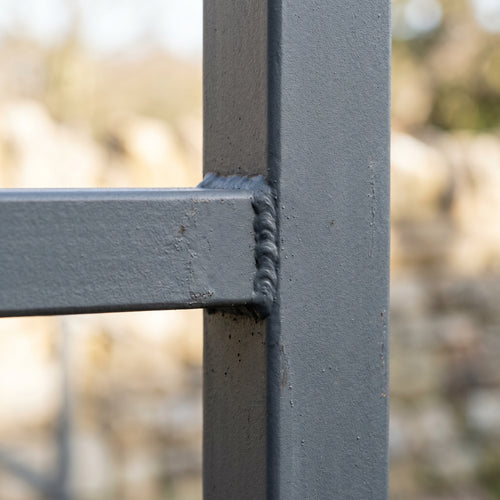
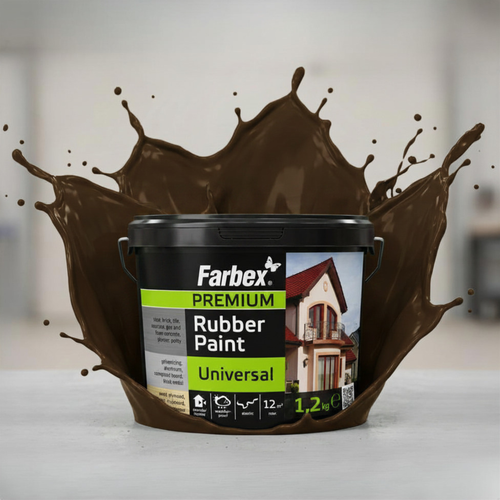
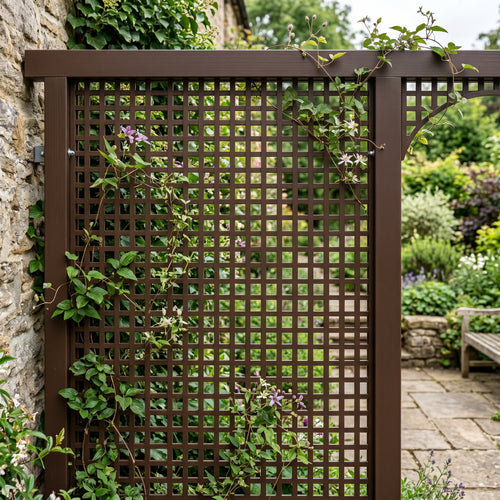


The same elastic liquid-rubber coating for many more applications — explore all use cases.
waterproof
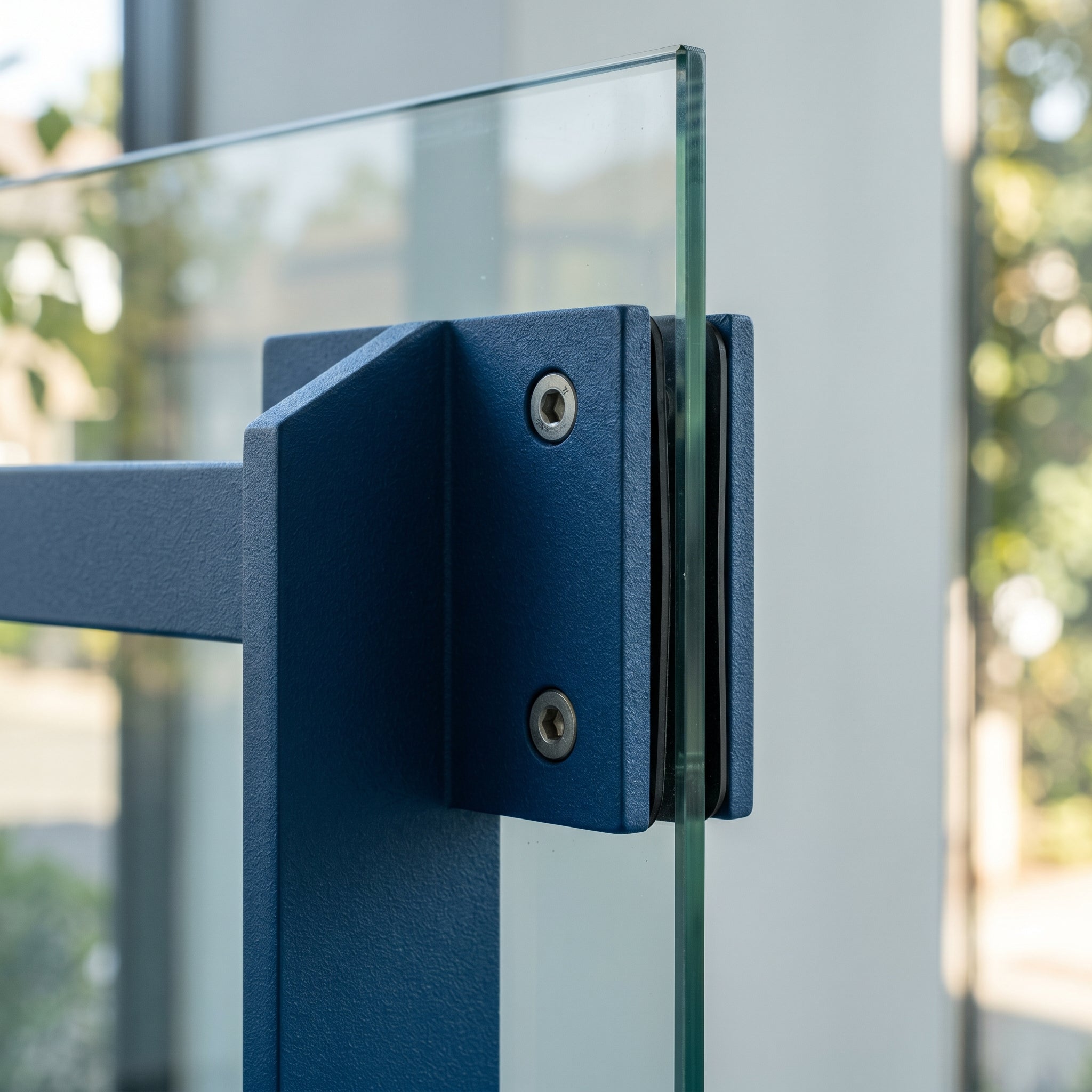
paint
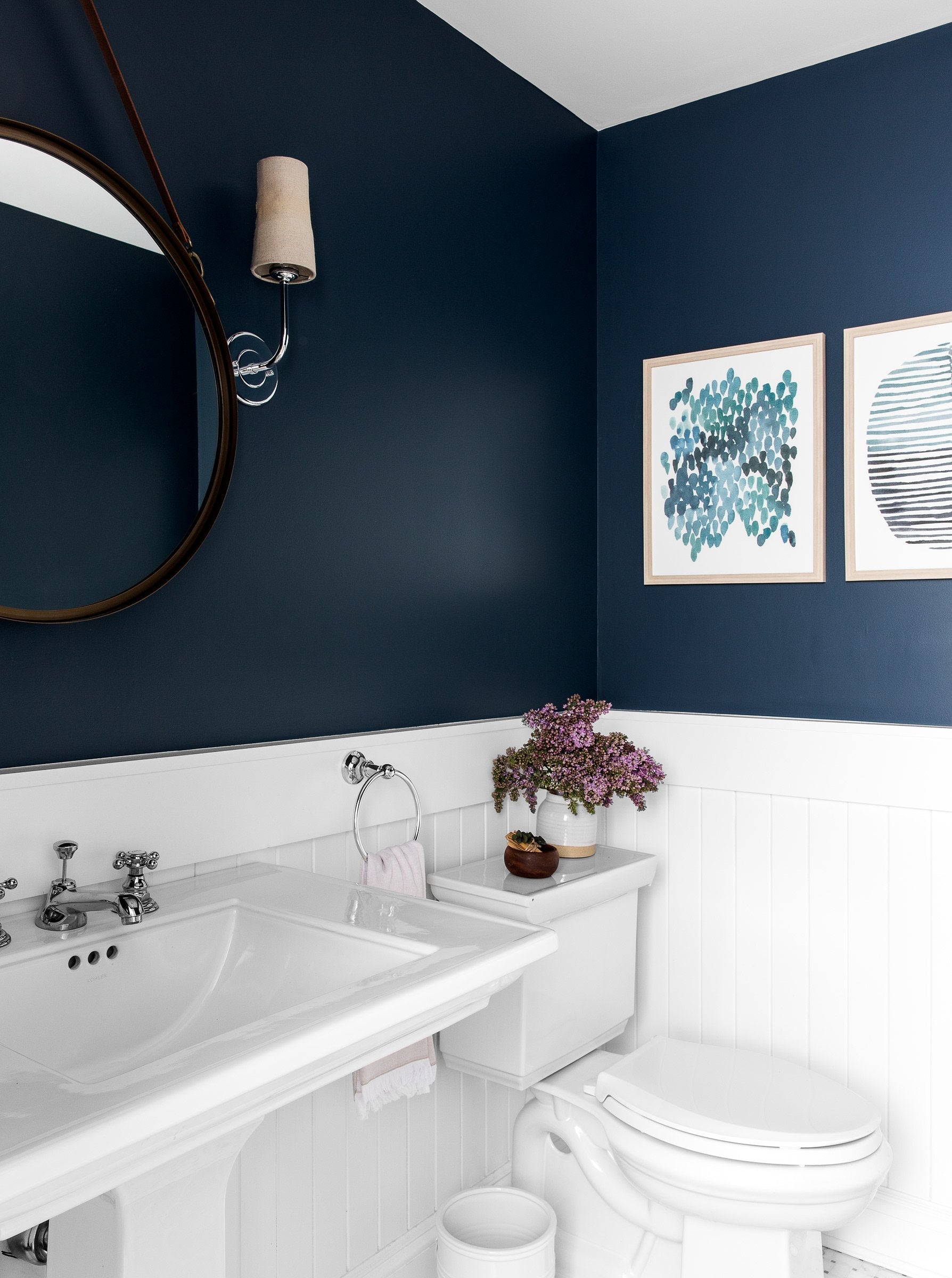
waterproof
waterproof
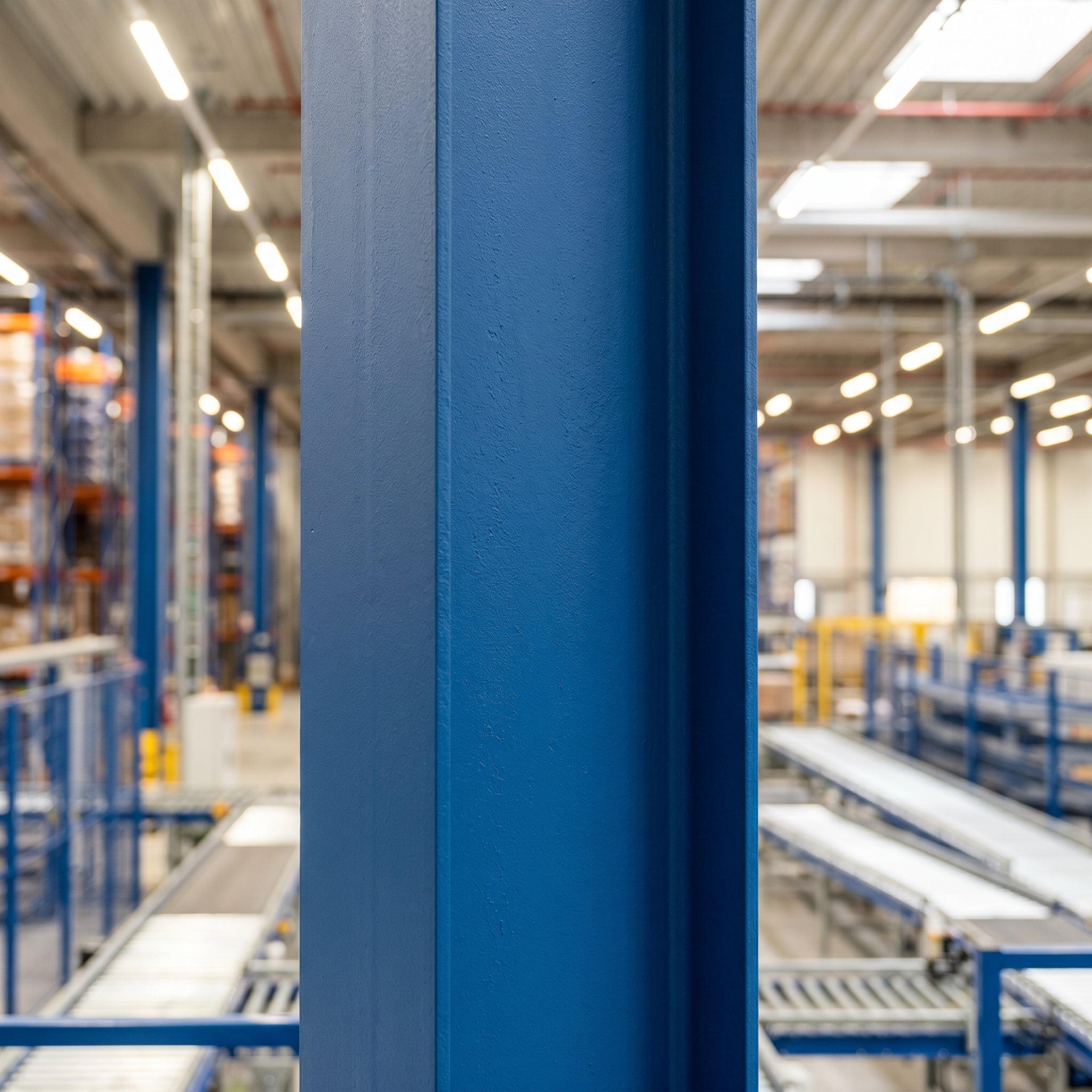
Exterior paint
paint
Rust protection
Coating
Our technical team advises on complex applications, substrate analysis and film-thickness calculation.