Liquid Rubber vs EPDM Membrane — Direct Comparison

When a flat roof needs waterproofing, two cold-applied options dominate: liquid rubber (rubber paint, fluid coating) and EPDM rubber membrane (single-ply sheet). Both are durable rubber-based systems, but they use radically different installation methods and have different strengths. The right choice depends on roof geometry, your budget and whether you're willing to install it yourself.
EPDM membrane — pros and cons
EPDM (ethylene propylene diene monomer) is a synthetic rubber sheet, typically 1.2 to 1.5 mm thick, supplied in large rolls. The roll is unrolled across the roof, bonded with contact adhesive and joined at the seams either by special EPDM joining tape or factory-vulcanised seams.
Strengths of EPDM:
- Very long manufacturer-warranted lifespan on simple geometries (20–30 years on a square, accessible flat roof)
- Single thickness across the whole roof — no risk of thin spots from poor application
- Fast installation on large simple roofs once the prep is done
Weaknesses of EPDM:
- Seams remain the weak point — every join is a potential leak after 10+ years
- Complex roof geometries (multiple penetrations, parapets, drains, awkward shapes) make installation slow and expensive
- Higher material cost: typically £11–£18 per m² for the membrane alone, plus adhesive and edge trims
- Requires installer skill — DIY is technically possible but warranty usually requires certified install
- Difficult to repair — patches show, and the patch itself becomes a seam
Liquid rubber — pros and cons
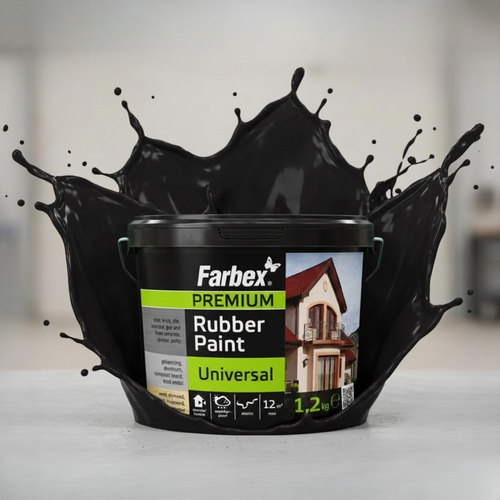
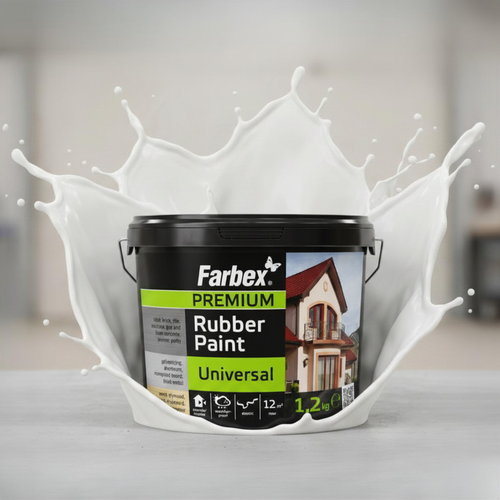
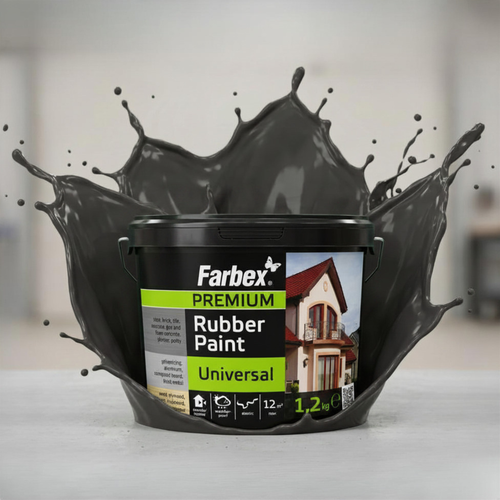
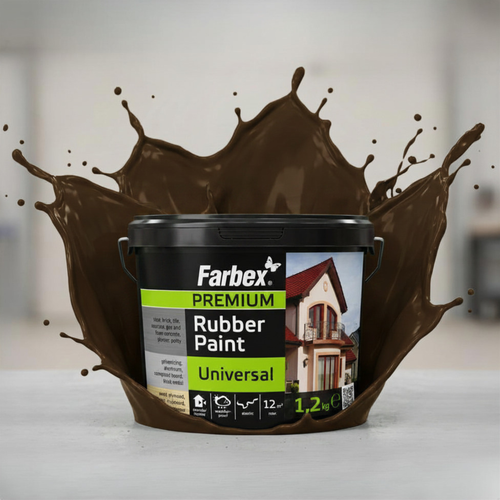
Liquid rubber is a water-based acrylic-latex coating that's applied cold with brush, roller or airless spray. Two to three coats build a seamless, monolithic membrane bonded directly to the substrate.
Strengths of liquid rubber:
- No seams — the cured film is a single continuous membrane with no joints to fail
- Bonds directly to bitumen, concrete, OSB and (after specific prep) EPDM — perfect for refurbishment over existing failed roofs
- DIY-friendly — application is similar to painting, no torch, no fumes, no specialist gear
- Adapts to any geometry — penetrations, parapets, internal corners are sealed without joining material
- Repairable: damaged area is sanded and over-painted with a fresh coat that bonds invisibly
- Lower material cost: £3.50–£4.50 per m² depending on substrate
Weaknesses of liquid rubber:
- Application is more weather-dependent — needs dry conditions and at least 24 hours rain-free after each coat
- Total thickness depends on application care — over-thin spots reduce lifespan
- Manufacturer-warranted figures shorter on paper than EPDM, but a refresh coat every 5–7 years on weather sides extends the system well beyond that
Cost compared directly
| Item | Liquid rubber | EPDM membrane |
|---|---|---|
| Material per m² | £3.50–£4.50 | £11–£18 |
| Tools / adhesives | £10–£20 (brush, roller) | £5–£10 per m² (adhesive) |
| Trade install (50 m² flat roof) | £35–£55/m² | £50–£80/m² |
| DIY total (50 m²) | £190–£250 | £800–£1,400 |
Lifespan and warranty
EPDM membranes are sold with manufacturer warranties of 20–30 years, but the warranty typically requires certified installation and excludes seam failures from settlement movement. In practice, well-installed EPDM lasts 25+ years on simple flat roofs.
Liquid rubber doesn't come with the same on-paper warranty length, but it has a different repair model: rather than replacing a failing membrane, you add a single refresh coat every 5–7 years on weather-facing sections. That sustained system can extend the lifespan well beyond 15 years total, at a fraction of the EPDM cost per decade.
DIY friendliness compared directly
| Aspect | Liquid rubber | EPDM membrane |
|---|---|---|
| Tools needed | Brush, roller, mixing paddle | Adhesive, roller, knife, specialist tools for seams |
| Skill level | Basic painting experience | Practiced — seams matter |
| Failure mode if DIY | Thin spots — fixable with refresh coat | Open seam — full reinstallation |
| Time on 50 m² roof | 2 days (2 coats with 24 h between) | 1 day if conditions are perfect, 2 if not |
When to choose what — decision guide
Choose EPDM when: you have a simple, large, accessible flat roof (single rectangle), a big budget, a certified installer available, and you want a single material with a long paper warranty.
Choose liquid rubber when: you're refurbishing an existing roof (bitumen, OSB or EPDM), the geometry is complex (penetrations, parapets, awkward shape), you want DIY-friendly application without a torch or specialist gear, you want lower upfront material cost, or you want a coating that's easy to refresh and repair year by year.
Next steps
For background on cold-applied liquid rubber flat roofs, see the Flat roof sealant page. For cost detail, see the article How much does liquid rubber paint cost per m²? To work out the material needed for your specific roof, use the Material calculator.
RubberPaint EU Team
Technical editorial · RubberPaint