Painting a Gas Tank — Which Paint Lasts?

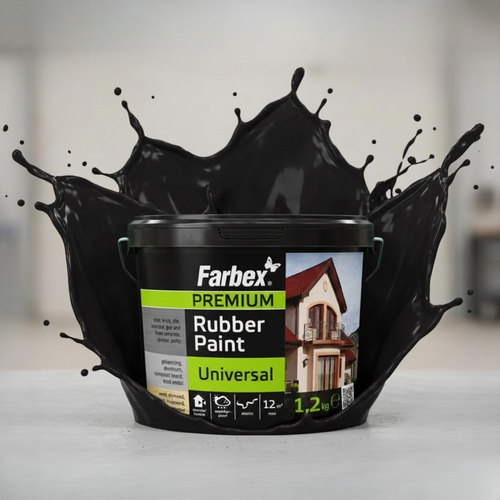
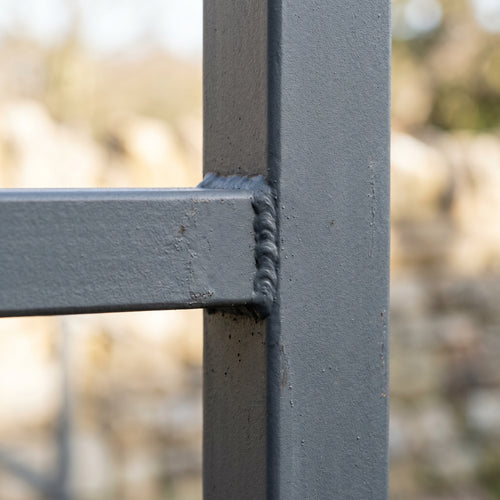
Gas tanks — domestic LPG, propane, heating oil and bulk fuel storage — sit outdoors year-round, taking continuous sun, rain, frost and the occasional knock from a vehicle or garden tool. The paint on them needs to last 5+ years without flaking or peeling, stay UV-stable enough to not fade away, and not pose a fire risk during application. Liquid rubber paint meets all three criteria.
What paint actually lasts on a gas tank
Three properties matter on outdoor metal storage tanks:
- Elastic, crack-bridging film — the tank expands and contracts with temperature; a rigid paint film cracks within 2–3 years
- UV stability — direct sun on an exposed tank degrades alkyd resins quickly; acrylic-latex chemistry holds up much better
- No flame application — gas tanks are obvious fire hazards; cold-applied liquid rubber removes all torch and ignition risk
Surface preparation
Tanks are typically galvanised or steel. Both need attention:
- Remove any flaking paint — wire brush or sandpaper down to a sound base
- Treat surface rust — phosphoric-acid rust converter, allow 24 hours to dry
- Clean with degreaser — remove diesel/oil contamination
- Mask off labels and valve fittings — never paint over safety markings
- Check tank moisture content — surface must be dry before application
Application
Two cold-applied coats give a long-lasting finish:
- First coat thinned with 5 % water — works into surface pores. Apply with brush in vertical strokes around the tank.
- Allow 4–6 hours drying.
- Second coat undiluted, applied horizontally for an even crosswise film build-up.
- Rain-fast in 24 hours. Tank can be touched lightly after 48 hours; full cure 28 days.
Colour choice
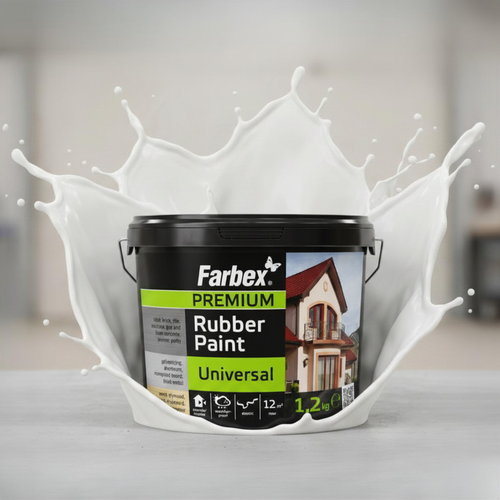
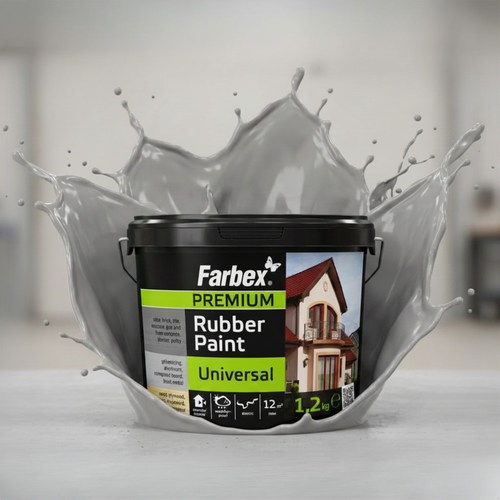
Most domestic gas tanks are white (RAL 9003) or pale green/grey for cool-roof effect — preventing the tank contents from heating up in direct sun. Black absorbs heat and is rarely used. White or light grey RAL shades are the standard professional choice.
For specific application background see the Metal protection landing page. For colour options see the full RubberPaint range.
RubberPaint Team
Technical editorial · RubberPaint