Exterior Surface Protection — Which Coating to Use?

person RubberPaint Team calendar_today17. May 2026 schedule 3 min read
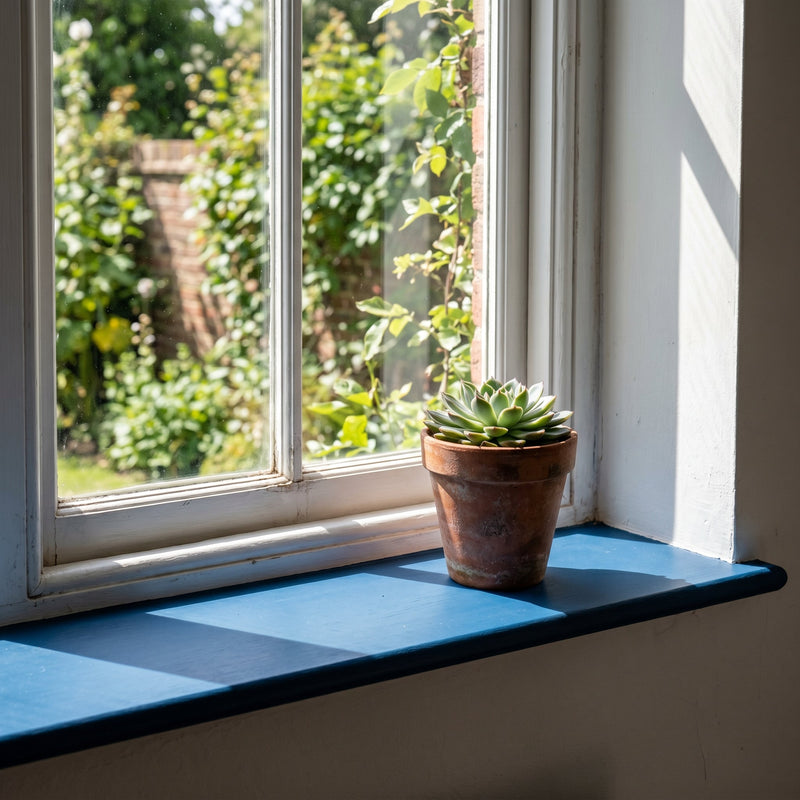
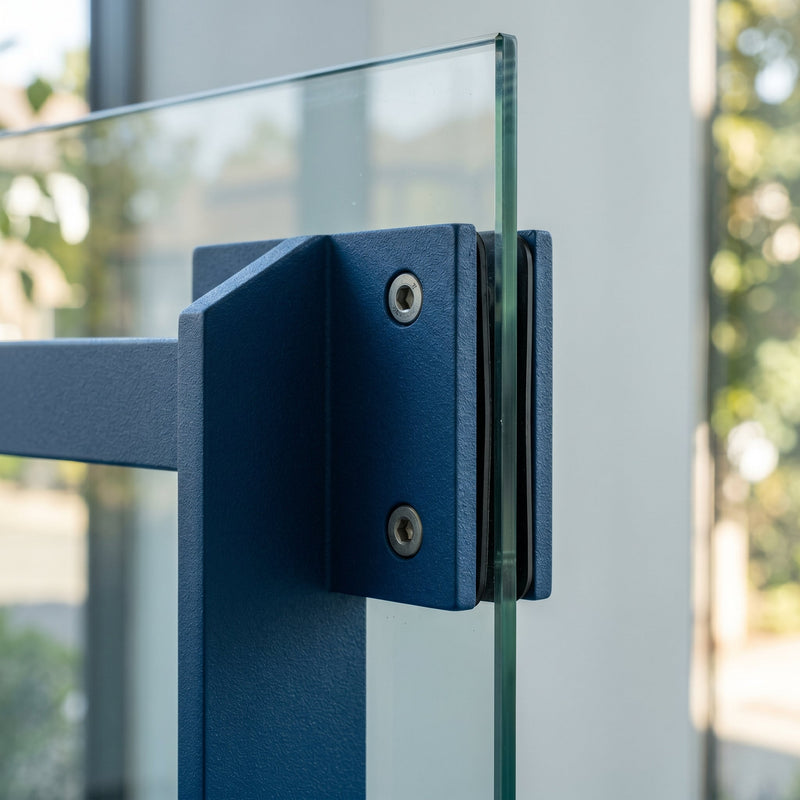
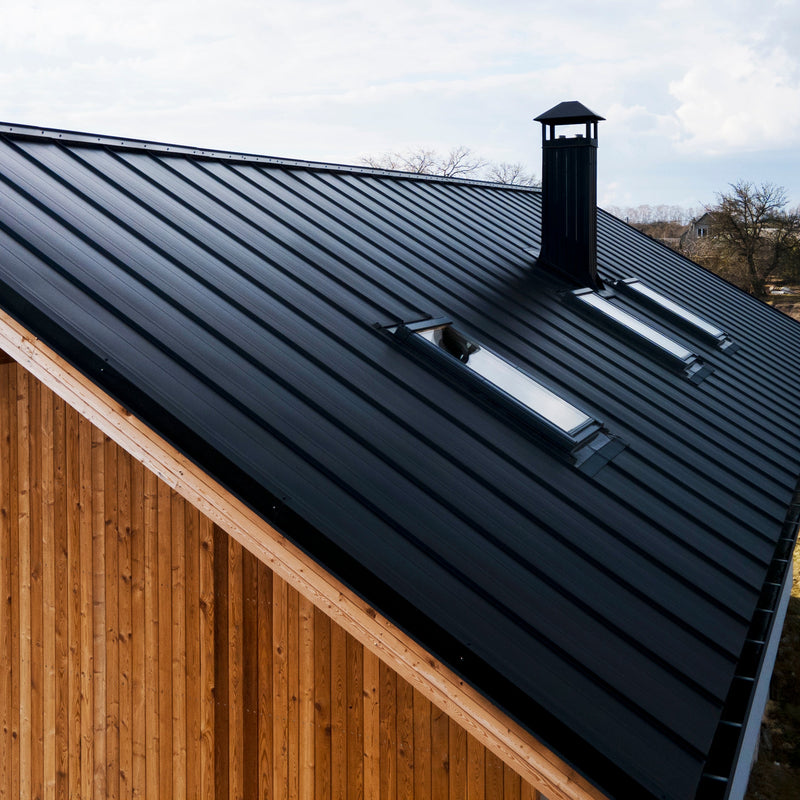
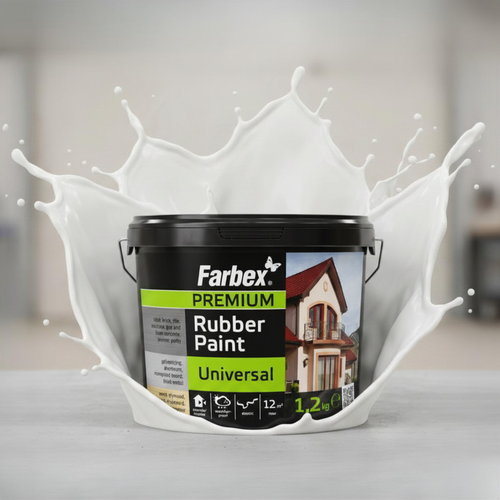
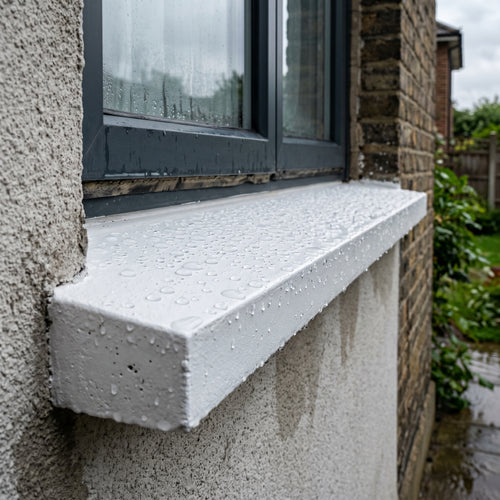
Liquid rubber on a facade and window detail

Surface protection is a technical umbrella term for coating systems that protect materials from the environment — water, UV radiation, frost, chemicals and mechanical wear. Depending on the substrate (metal, concrete, wood, render) there are specialised systems. We show which surfaces a universal rubber paint / liquid rubber can protect, and where specialist products are the better call.

What attacks exterior surfaces

  • Driving rain and splash water — carries water into pores and cracks
  • Freeze-thaw cycles — water in the pores freezes and bursts the material
  • UV radiation — destroys binders and bleaches colours
  • Temperature swings — −20 °C in winter, +50 °C on the sunny side in summer
  • Airborne pollutants — CO₂, SO₂, nitrogen oxides, acid rain
  • Mechanical stress — impact, abrasion, dirt
  • Biological growth — algae, moss, mould

Good surface protection has to cover all of these factors at once — which is why simple “protective paints” at £8 a litre fail after 2 years.

What good surface protection must deliver

Property Requirement Standard
Waterproof Class W3 EN 1062-3
UV resistance Class A0 EN 1062-7
Crack bridging Class A2 EN 1062-7
Breathability sd < 0.3 m EN ISO 7783
Wet scrub Class 1 EN 13300
Elongation > 100 % DIN ISO 527

Rubber paint / liquid rubber meets all 6 requirements at once — which is rare, and an economic advantage over multi-system coatings.

Surface protection by material

Metal and steel

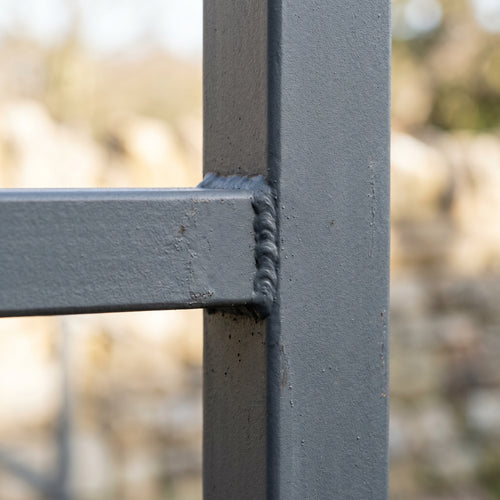
Main threat: corrosion (rust). Rubber paint bonds directly to surface rust without pre-treatment with a rust converter. It resists salt water and chemicals. Uses: steel beams, railings, gates, trapezoidal sheet, the outer walls of tanks.

Concrete

Main threat: carbonation (CO₂ in the air + water → acid → destroys the alkaline environment around the reinforcement → the steel rusts). Rubber paint is a CO₂ barrier while staying open to water vapour. Uses: fair-faced concrete, plinths, retaining walls.

Wood

Main threat: swelling and shrinking + greying from UV. Rubber paint follows the movement of the wood (elastic) and protects against UV (A0). Uses: fences, pergolas, timber cladding, garden buildings.

Render and masonry

Main threat: driving rain + freeze-thaw damage. Rubber paint is W3 waterproof from the outside, yet breathable for moisture in the wall from the inside. Uses: facades, rendered plinths.

Bitumen and roof coverings

Main threat: embrittlement + cracks. Rubber paint bonds to old bitumen felt and adds an elastic protective layer. Uses: flat roof renovation.

EPDM membrane and rubber

Main threat: UV embrittlement of the membrane. Rubber paint bonds to EPDM after cleaning and adds UV protection. Uses: old EPDM roof coverings.

When do you need specialist products instead of rubber paint?

  • Swimming pool interiors under water pressure: 2K polyurethane or epoxy resin
  • Inside drinking water tanks: specific food-contact approval is required
  • Workshop floors exposed to solvents: epoxy resin or a PU system
  • Pressing groundwater on basement walls: a thick polymer-modified bitumen coating as the primary waterproofing

Practical examples: what we have protected

Example 1: a 25-year-old bitumen flat roof

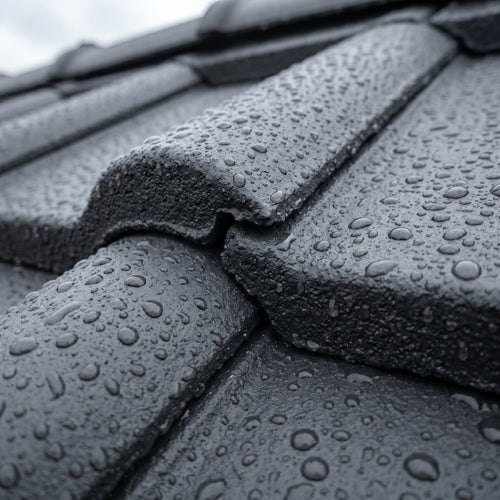
Heavily greyed with small cracks. Solution: thorough cleaning, 2 coats of Graphite rubber paint. Result: the roof looks as good as new and its service life is extended by 15 years. Cost: approx. £3.50/m² in material.

Example 2: a wooden garden shed with algae growth

Algae removed with a wood reviver, then 2 coats of Green rubber paint. Result: no greying observed over the following 8 years.

Example 3: a steel railing on a stairway

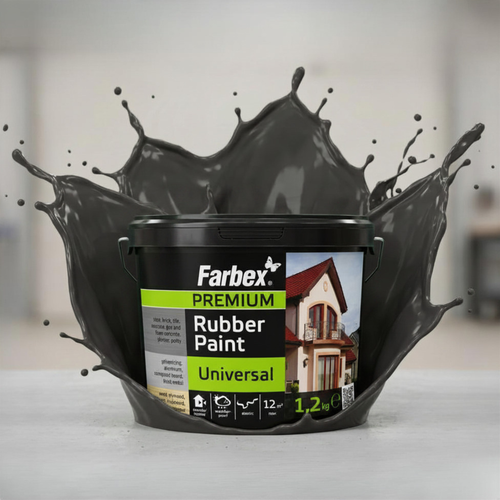
Surface rust and flaking alkyd paint. Solution: loose paint brushed off, 2 coats of Black rubber paint directly onto the remaining rust. After 5 years: no new rust visible.

Conclusion

Real surface protection for outdoor use has to be waterproof, UV-resistant, breathable and elastic at the same time — properties that few coating systems combine. Rubber paint / liquid rubber meets all of these requirements in a single-component, solvent-free product, which makes it the universal choice for DIY and renovation.

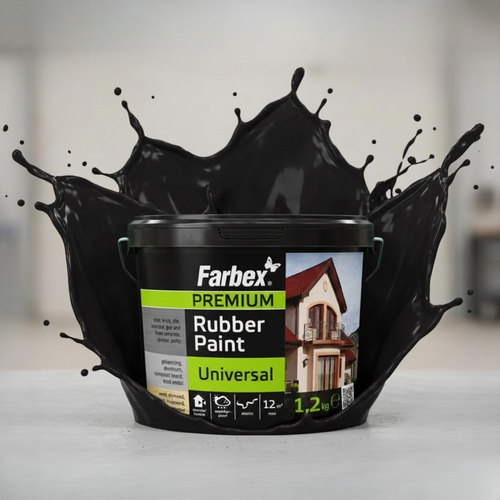
Surface protection products: Rubber paint in 14 RAL colours →


Related terms: Our product is sold in DIY stores and the trade under several names — liquid rubber, liquid rubber paint, liquid membrane, rubber paint, rubberised paint, flexible coating, elastic exterior paint or polymer coating. They all mean the same product: a waterproof, highly elastic coating based on acrylic latex.

menu_book Full guide: exterior concrete paint arrow_forward
person

RubberPaint Team

Technical editorial · RubberPaint