Liquid rubber paint reviews — what really works?

In real-world use, liquid rubber paint shines wherever a seamless elastic waterproof membrane without a torch is needed: flat-roof refurbishment, balconies, basement walls, metal protection. The limits show up with no falls (ponding water), freshly laid bitumen membranes under six months old, and heavily chemical environments. Most important success factor: proper substrate prep and getting the film thickness right.
What works particularly well in practice
Liquid rubber coatings have been a proven part of modern waterproofing for decades. From thousands of documented jobs across Germany, Austria, Switzerland and the UK, clear strengths have emerged:
1. Refurbishing old bitumen flat roofs
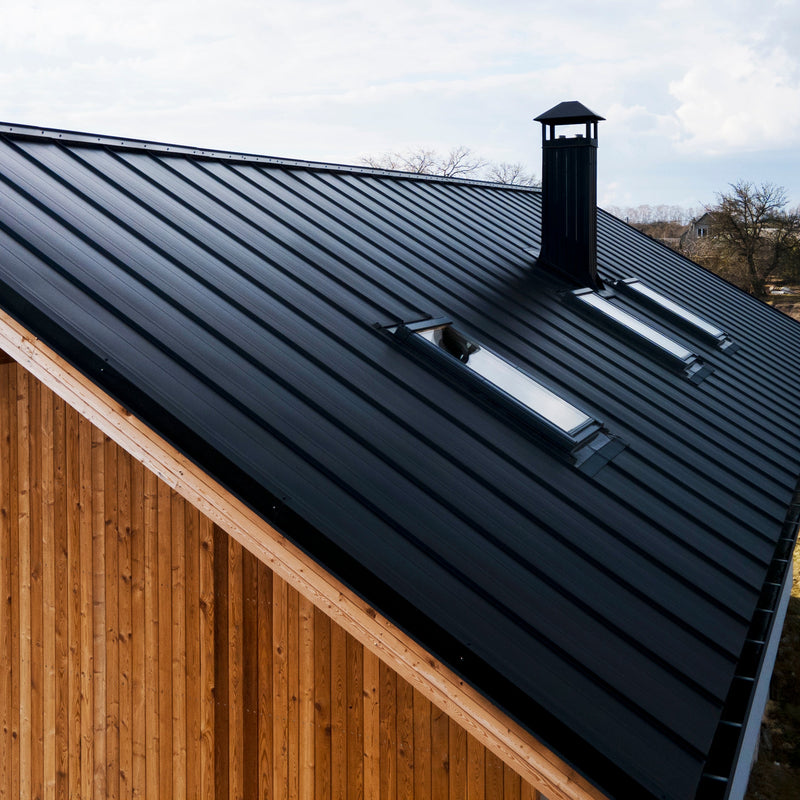
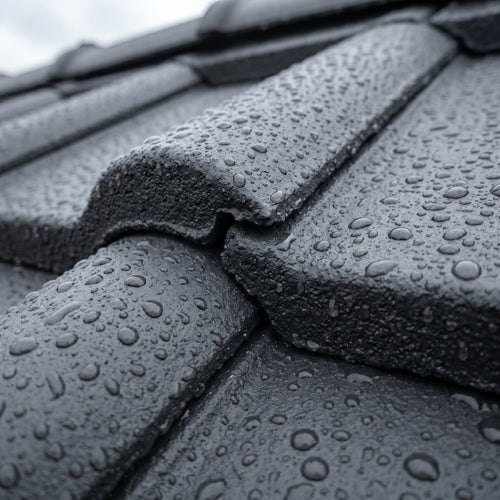
Probably the most common use case — and the one with the most convincing track record. On old, cracked or brittle bitumen membranes, liquid rubber can be applied directly and cold. The elastic film bridges hairline cracks, seam transitions and small undulations completely. The result is a seamless, monolithic protective layer with no joints for water to get in. In practice: with a proper 2–3 coat application, the repair lasts noticeably longer than a patch and costs less than half what a roofer would charge for a fresh felt installation.
2. Balconies and terraces — flexible bonded membrane
On balconies with old, intact-but-leaking tiles, direct overcoating with liquid rubber is an elegant solution: clean the tiles thoroughly, fill loose grout, then apply 2–3 coats of liquid rubber. The elastic membrane bridges movement joints and follows the thermal expansion of the build-up. Walk-on after 28-day cure. Alternatively as a bonded waterproofing layer under new tiles per ETAG 022. Best results when the substrate is frost-free and falls are at least 1.5 %.
3. Basement walls — interior damp-proofing
For damp basement walls, exterior waterproofing is often impractical (excavation down to footings). Liquid rubber offers a cost-effective interior damp-proof barrier: after removing salt efflorescence, the wall is coated with 2–3 layers. Important: the coating is breathable (V2 per EN 1062-1) so trapped wall moisture can dry outward — it doesn't trap moisture inside. Best for non-pressurised water (rising damp, lateral seepage). For pressurised groundwater, additional drainage is recommended.
4. Metal protection and anti-rust
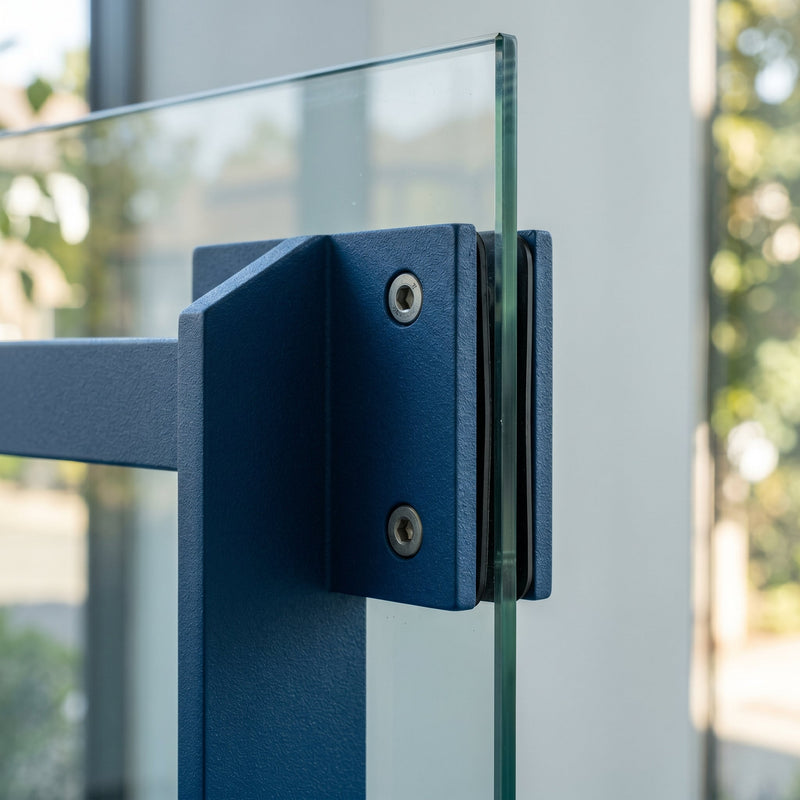
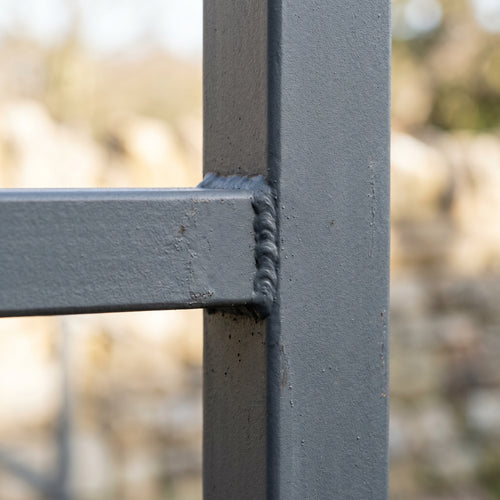
On old corrugated-iron roofs, steel beams and garden fences, liquid rubber shows its corrosion-blocking properties. Unlike traditional paints, it can be applied directly onto firmly adhering surface rust (after a phosphoric-acid rust converter pre-treatment). The elastic film forms an airtight barrier that stops further oxidation. Especially effective on corrugated-iron industrial roofs and outdoor structural steel — the coating follows thermal length changes without cracking.
5. Timber — more elastic than wood stain
Conventional wood stains form a relatively rigid film that cracks as the timber swells and shrinks — the classic "flaking" you see after 2–3 years. Liquid rubber stays elastic and follows every moisture cycle without cracking. Especially good for fences, timber-clad walls and garden buildings. On smooth pre-stained timber, lightly key with 80–120 grit; on bare wood it bonds without primer in most cases.
Where does liquid rubber paint have its limits?
An honest review includes the points where it isn't the optimal choice:
Ponding water without falls
Liquid rubber is not waterproof in the sense of a tanking system, it's designed as a membrane. Permanently standing water (several weeks without drainage) can eventually penetrate the film. At least 1.5 % fall is needed for water run-off. For horizontal surfaces with ponding, a proper build-up (tapered insulation or mechanical drainage) is needed.
Fresh bitumen membranes under six months old
On newly installed bitumen membranes (less than six months old) application is problematic — the felt still off-gases oils that interfere with adhesion. Best practice: wait 6–12 months for the membrane to cure. If in doubt, test a 1 m² patch first.
Heavy chemical environments
Industrial environments with constant solvent, acid or oil exposure aren't the right use case. Liquid rubber is resistant to water, frost, UV and mild household cleaners — not to solvents or concentrated acids. For tank-floor or chemical bund coatings, two-component PU systems are a better choice.
Directly under heavy loads (trafficked surfaces)
Garage drives, car-park floors or industrial halls with forklift traffic need more abrasion-resistant systems (epoxy or 2K PU). Liquid rubber is designed for pedestrian foot traffic — a balcony or terrace, yes; a trafficked yard, no.
Common application mistakes — and how to avoid them
| Mistake | Consequence | Avoidance |
|---|---|---|
| Substrate not degreased | Poor adhesion, local peeling | Clean with acetone or silicone remover |
| Applied in direct sun | Skin forms too fast, second coat bonds poorly | Work early morning or late afternoon |
| Single coat too thick | Blistering, cracks during drying | Max 200 g/m² per coat — use 3 thin coats instead |
| Applied below +10 °C | Film doesn't form properly, stays tacky | Keep application temperature +10 °C to +30 °C |
| Rain within 24 h of application | Lime spots, wash-out marks | Check forecast, have a tarpaulin to hand |
Practical application tips
- Mix the tub thoroughly before starting — at least 3 minutes with a drill paddle to fold in any settled pigment and binder.
- First coat one direction, second crosswise — even film, no streaks visible.
- Cut in detail points with a brush first — internal corners, junctions, pipe penetrations before the main surface roll-out.
- Soak tools in water between sessions — prevents drying and lets you work over several days without losing brushes.
- Test patch on unknown substrate — 30 × 30 cm trial, 24–48 h wait, then a tape pull test for adhesion.
- Save and label leftovers — for spot repairs in a year or two, having exactly the same tint matters.
Experience by application — short reviews
- Flat-roof sealing: on old bitumen without ponding water → very positive experience; with pooling and no fall correction → insufficient.
- Façade painting: on cracked render / brickwork → excellent; on freshly-rendered walls (under 4 weeks) → wait for full carbonation.
- Basement wall waterproofing: internal on non-pressurised water → good solution; on pressurised groundwater → additional drainage needed.
- Balcony waterproofing: over old tiles with proper falls → long-term reliable; without falls → only as an interim measure.
- Wood coating: fences, façades, sheds → long-lasting elasticity; indoor furniture → conventional lacquers still preferred.
- Metal protection: on firmly adhering rust with rust converter → very effective; on loose flash rust → mechanical removal first.
- Pool coating: concrete and steel pools → proven; keep chlorine concentration to max 1.5 ppm.
Comparison with traditional solutions
| Criterion | Liquid rubber paint | Bitumen felt | EPDM membrane |
|---|---|---|---|
| Application | Brush/roller, cold | Torch-on | Bonded, trade install |
| Joints | None — monolithic | Seams = weak points | Bonded joints |
| DIY-friendly | Yes | Limited (fire risk) | No — trade only |
| Repairability | Seamless recoat | Patch torch-on | Replace membrane |
| Material price | £3.50–£4.50/m² | £7–£13/m² | £11–£18/m² |
| Colour choice | 14 RAL shades | Black, slate | Black, grey, white |
Frequently asked questions from real-world experience
How long does liquid rubber last when correctly applied?
UV and freeze-thaw resistance are tested to DSTU ISO 16474-2. In real-world use, the first UV-related matting shows after 5–7 years — but the protective function remains intact. A spot recoat every 5–7 years on exposed walls is a sensible refresh; in sheltered locations, significantly longer.
Does it smell strongly during application?
No. Water-based liquid rubber is low-odour and solvent-free. Suitable for indoor use (basement, bathroom) with normal room ventilation. A clear contrast to solvent-based 2K systems.
Can I walk on the surface straight after application?
Not immediately. Walk-on after 24 hours in normal weather, fully load-bearing (furniture, planters) after 28 days cure. During that time the surface should not be continuously water-loaded or weighted.
What's the DIY experience like for someone with no painting background?
Very positive. Application is similar to wall paint with a brush or roller — most home users manage without problems. Prerequisites: clean substrate prep, don't lay it on too thick, and check the weather. Step-by-step guides on our Application pages.
Are the colours fast — do they fade?
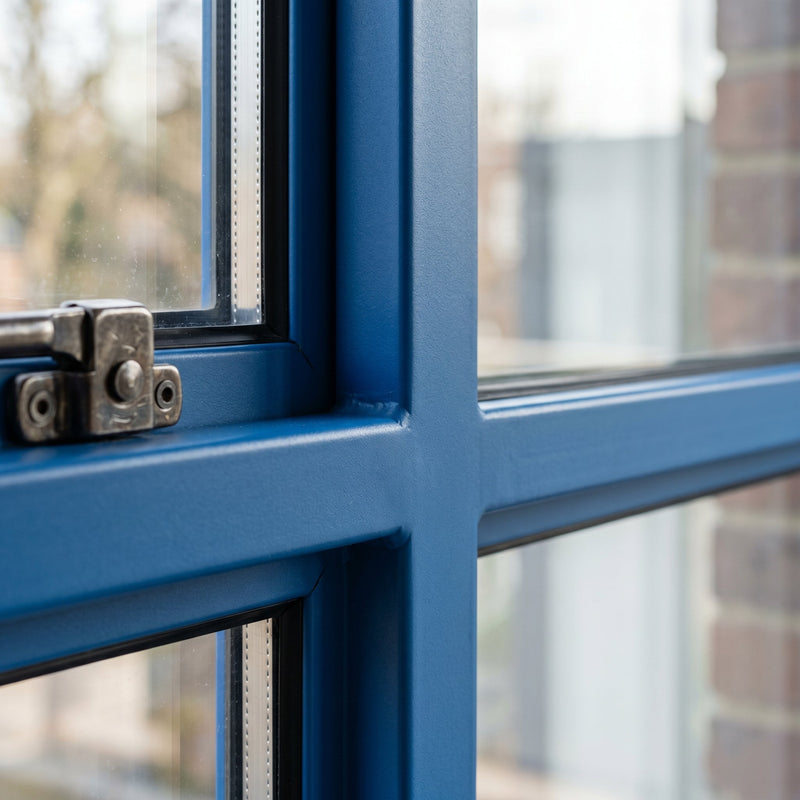
UV resistance tested to ISO 16474-2. In practice: dark shades (black, graphite, dark blue) show the least change. Light and saturated shades (red, yellow, light blue) may lighten slightly after 3–4 years — function unchanged. On weather-facing walls, choose darker shades.
What does experience say about cost-effectiveness?
For DIY application, liquid rubber paint is one of the cheapest waterproofing options — typically £4.50–£6/m² all-in including tools. Compared to professional bitumen reinstatement (£35–£55/m²), you save 80–90 % of the cost. Detailed calculation in our article "How much does liquid rubber paint cost?"
Bottom line — when is liquid rubber the right choice from experience?
The experience across thousands of jobs paints a clear picture: wherever you need a seamless, elastic, cold-applied coating, liquid rubber paint is the cost-effective choice with strong DIY tolerance. Its limits lie mostly in ponding water, freshly laid substrates and extreme chemical environments.
For your specific project: check the substrate-specific notes on the appropriate Application page and use the Material calculator for exact quantities.
RubberPaint Redaktion
Technical editorial · RubberPaint