Liquid Rubber vs. Bitumen — The Honest Comparison

TL;DR. Bituminous torch-on roofing membrane remains the standard for new flat roofs. Liquid rubber is the DIY-superior choice for renovations, intricate detail areas, and wherever open flames are not possible.
At a glance
| Criterion | Bituminous Torch-on Membrane | Liquid Rubber |
|---|---|---|
| Application | Torch / Heat | Cold, brush/roller/spray |
| Fire Hazard | High | None |
| Material Cost/m² | €8-15 | €5-10 |
| Professional Labor Required | Mostly yes | DIY-friendly |
| Repair | Difficult | Easy (paint over) |
| Seams | Weak points | Seamless |
| Lifespan | 10-15 years | ≥ 7 years (with correct application) |
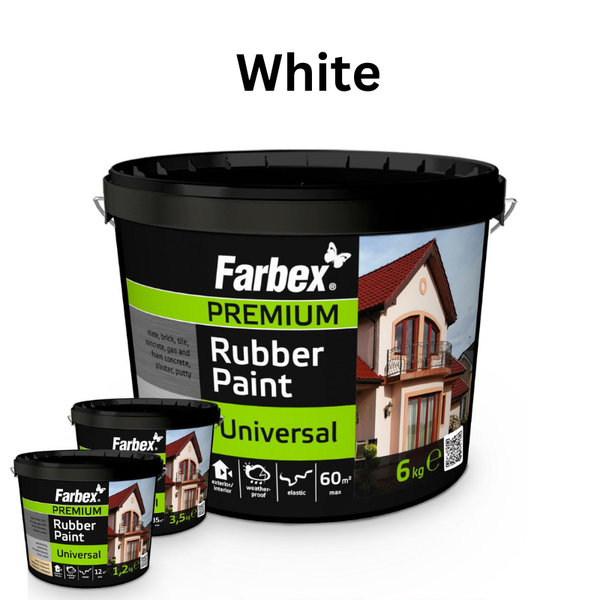
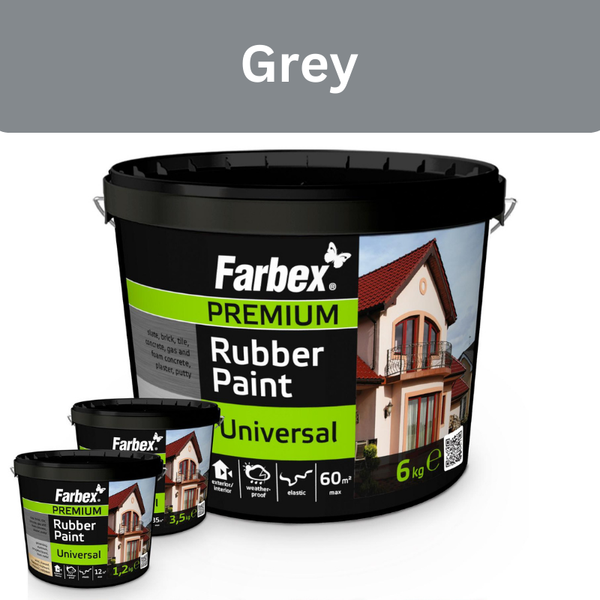
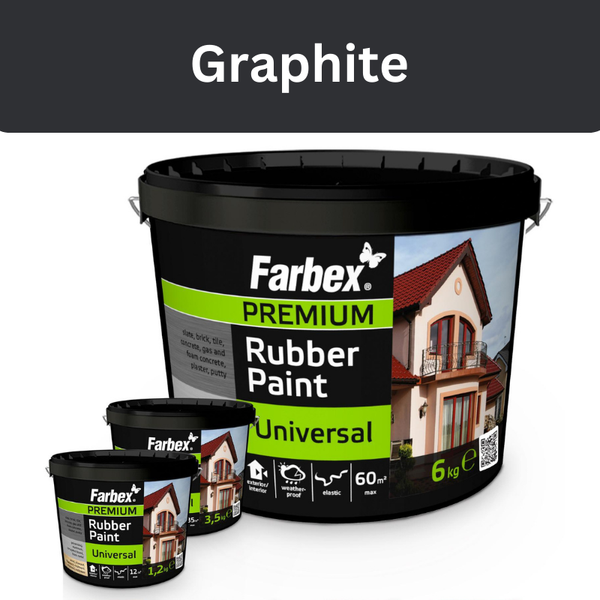
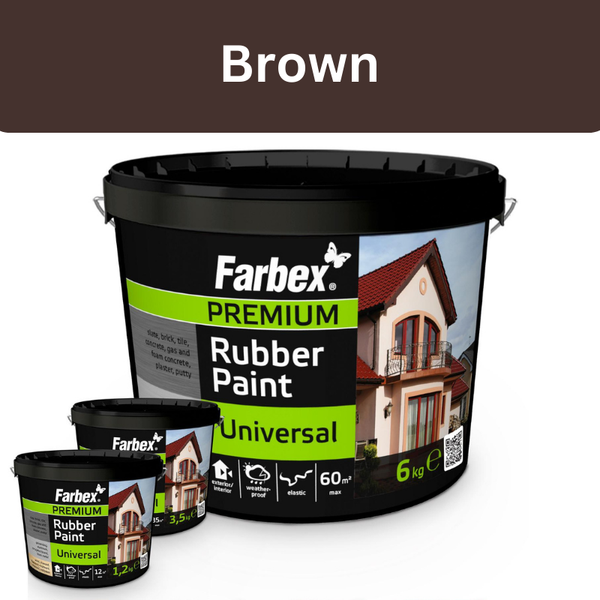
| Appearance | Black, visible | 9 RAL colors |
Application
A bituminous torch-on membrane is melted and rolled using a gas torch. Installation requires experience — incorrect angle, too little heat, or crooked rolls lead to seam problems. The fire hazard is real, which is why application is excluded or subject to conditions in many insurance policies.
Liquid rubber is applied like normal paint — with a brush for details, a roller for surfaces, or an airless sprayer for large roofs. No specialized tool knowledge, no fire protection effort. Beginners can complete the first 50 m² in a few hours.
Lifespan and Weaknesses
A bituminous torch-on membrane theoretically lasts 10-15 years. In practice, however, the seams fail earlier — usually after 5-7 years — due to thermal movements of the substrate. Water creeps into the seam, lifts the membrane, and the roof leaks. Damage is expensive to repair.
Liquid rubber forms a seamless membrane — there are no weak points between the rolls. The tested lifespan is at least 7 years (DSTU ISO 16474-2 UV test). The acrylic-latex polymer chain remains elastic down to -20 °C and does not tear.
Costs — DIY vs. Professional
For an 80 m² flat roof:
- Professional Bitumen Installation: Material approx. €8/m² (€640) + Labor approx. €35/m² (€2,800) = ~€3,440
- DIY Liquid Rubber: Material approx. €7/m² (€560) + €0 Labor = ~€560 + 1 weekend of your time
Savings: approx. €2,880 for one weekend's work.
When to Recommend What?
Bituminous torch-on membrane is better for:
- New flat roofs with construction according to DIN 18531 and insurance requirements
- Commercial large roofs with a professional installation team
- Very heavily trafficked walkable industrial roofs
Liquid rubber is better for:
- Renovations of old bitumen or slate roofs
- DIY projects without professional experience
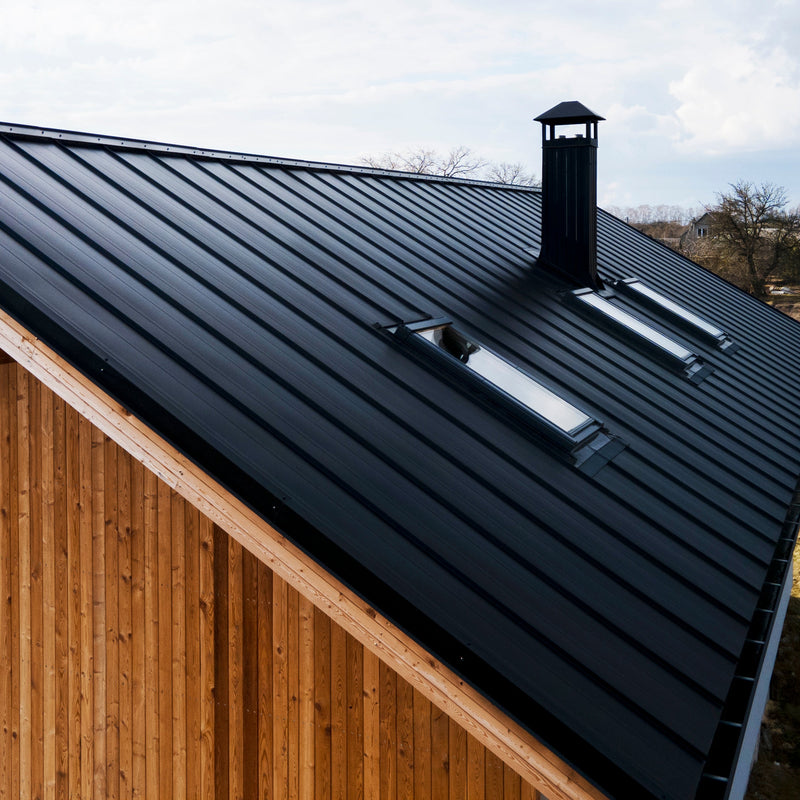
- Detailed areas with many connections, ventilation pipes, skylights
- Areas where no open flame is possible (timber construction, existing residential buildings)
- Visible flat roof extensions and carports (RAL color selection)
RubberPaint Redaktion
Technische Redaktion · RubberPaint