Exterior Surface Protection — Which Coating to Use?

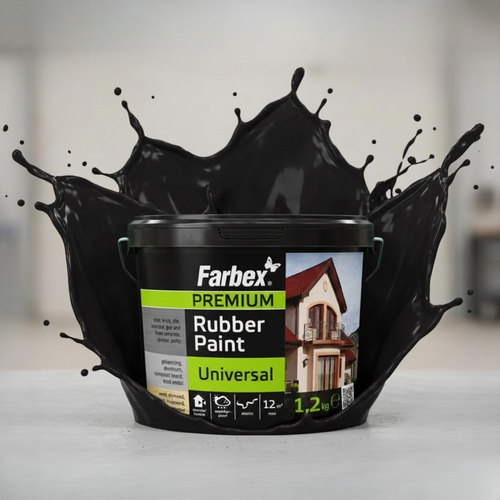
Exterior surface protection — which coating actually lasts on the outside of a building? Concrete, brick, render, timber and metal all have different requirements, and the answer to "best exterior coating" depends on the substrate. This article compares the main options and identifies where liquid rubber is the right answer.
Substrate matters more than brand
| Substrate | Best coating | Why |
|---|---|---|
| Exterior concrete | Liquid rubber | Elastic + breathable; allows moisture to escape |
| Brick / blockwork | Liquid rubber or silicone | Breathable, crack-bridging on settlement |
| Render (lime, sand-cement) | Liquid rubber | Elastic over carbonating substrate |
| Timber (fence, façade) | Liquid rubber | Follows seasonal swell-shrink |
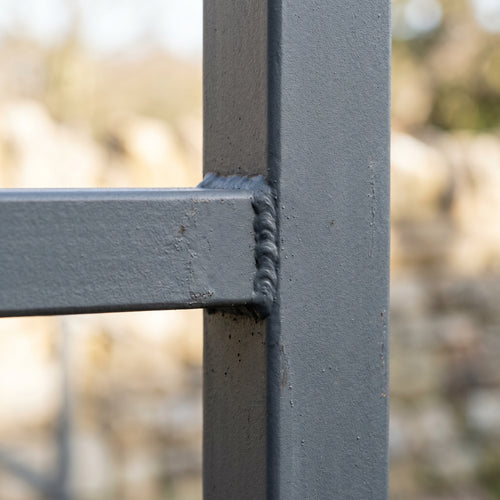
| Galvanised steel | Liquid rubber after etch primer | Bridges thermal expansion |
| Bare steel with rust | Liquid rubber after rust converter | Direct-to-rust corrosion barrier |
| Aluminium | Liquid rubber after etch primer | Light-metal expansion compatibility |
The four protection requirements
- UV stability — coating doesn't chalk or fade prematurely under sunlight
- Water permeability low + vapour breathable — keeps rain out, lets substrate dry
- Crack-bridging — bridges hairline cracks from settlement and thermal cycles
- DIY applicable — for the homeowner who can't afford a trade installation
Liquid rubber meets all four. Traditional paint and weather coatings typically meet 1–2 of the four.
Lifespan expectations
On most exterior substrates, expect 5–7 years before the first refresh coat is recommended on weather-exposed surfaces, and 8–10 years on sheltered elevations. With one refresh coat every few years, total system lifespan extends to 15+ years.
For specific substrate guides see all application pages.
RubberPaint Team
Technical editorial · RubberPaint